Dental implant placement is one of the most requested treatments by patients wishing to replace missing teeth with a stable, functional, and aesthetic solution. However, one of the most frequent questions, especially from patients coming from abroad, is: how long does it take to have dental implants fitted in Albania? Let's find out together.
Why does dental implant treatment take time?
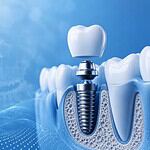
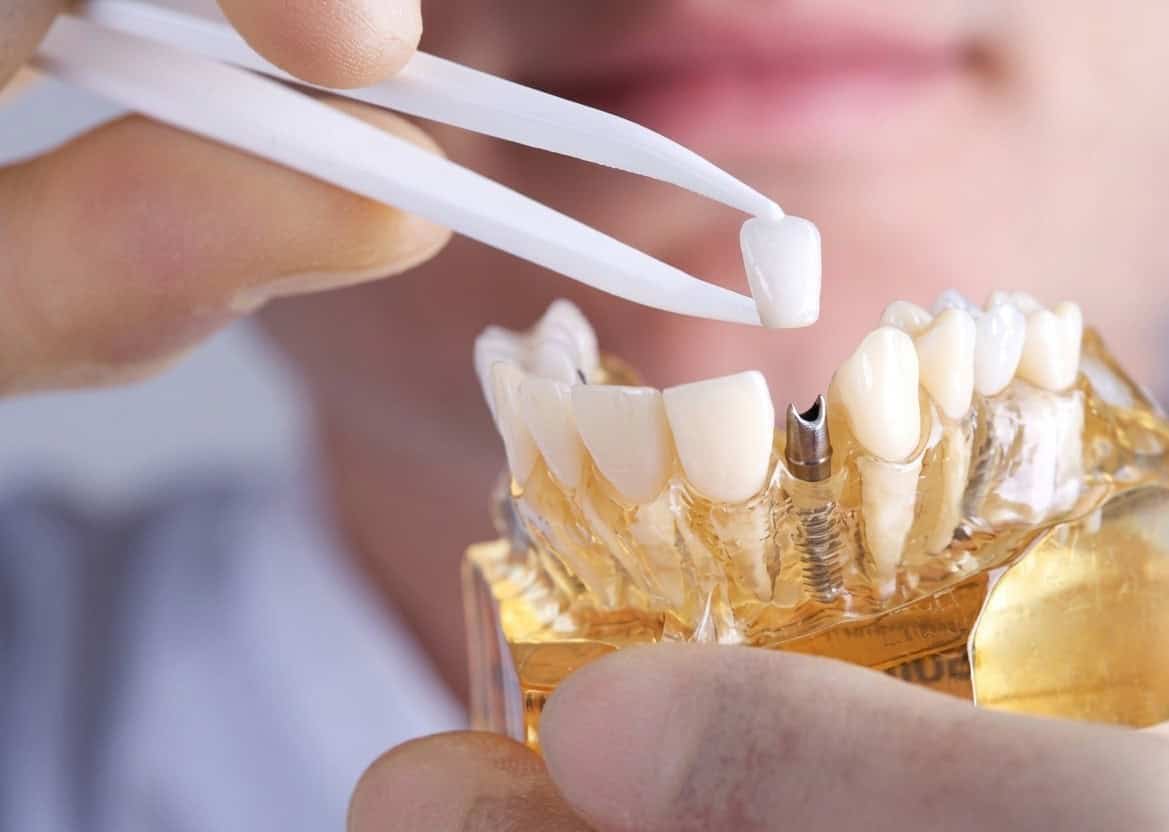
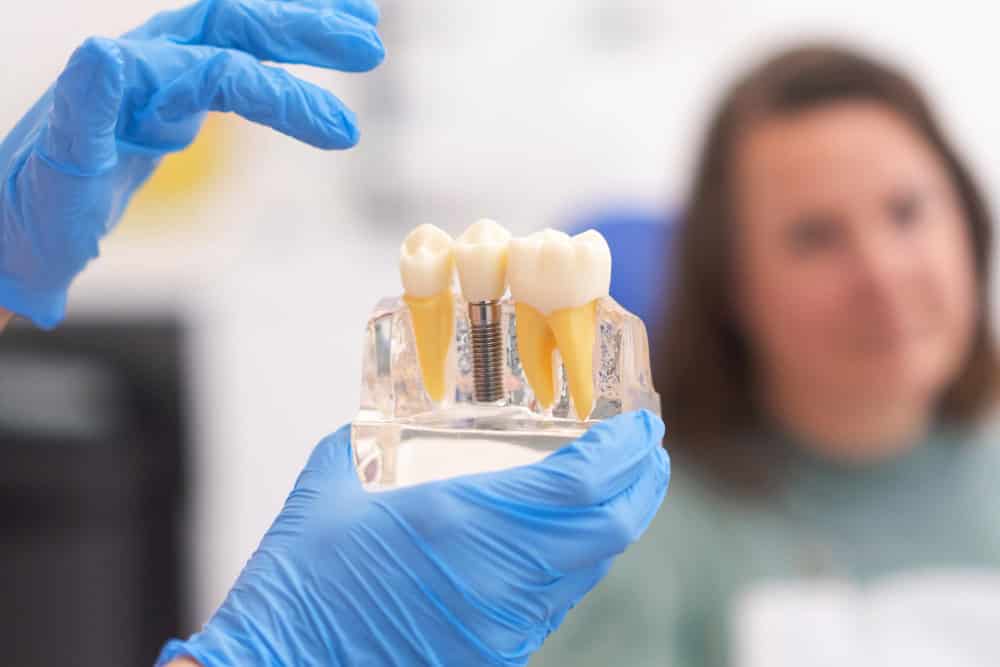
Dental implants are inserted into the jawbone or mandible to replace the root of a missing tooth. After insertion, the implant needs time to naturally integrate with the bone through a process called osseointegration. This is one of the most important steps of the treatment, because it ensures that the implant is stable and can withstand pressure during chewing.
This process cannot be sped up without risking the final outcome. Although modern technology has made faster planning and more precise implant placement possible, the body still needs its biological time to heal.
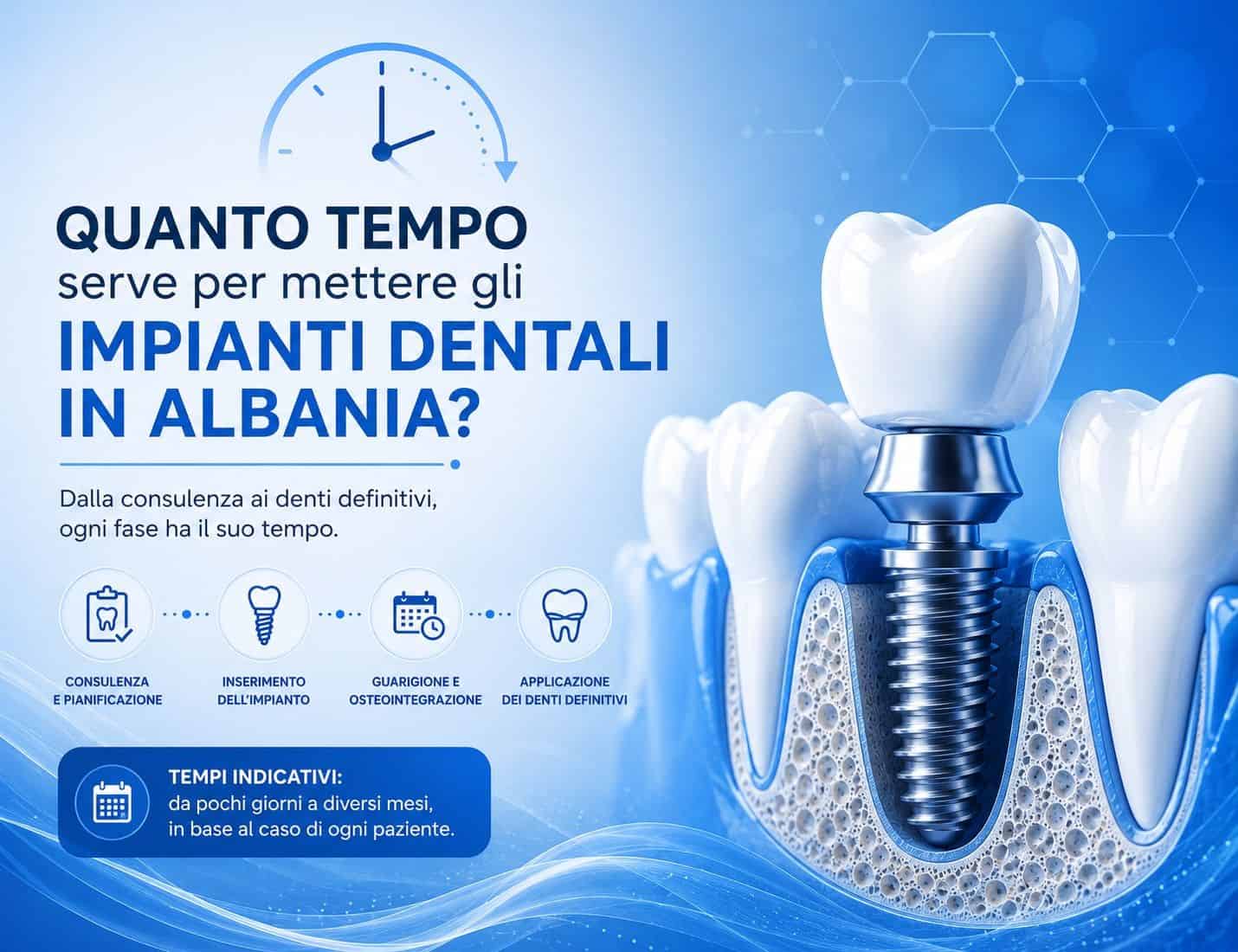
For this reason, when we talk about the duration of dental implant treatment in Albania, we must distinguish two aspects: the time needed to perform the surgical procedure and the time needed to complete the entire treatment until the final teeth. The surgical procedure can only take a few hours, but the complete treatment can take from a few months to a longer period, depending on the case.
Initial consultation and treatment planning
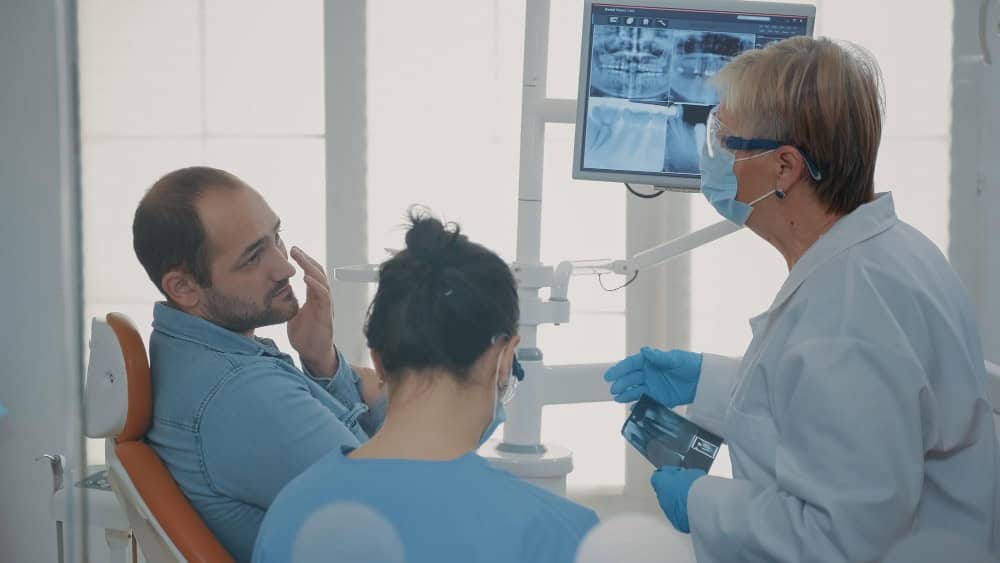
The first step is a consultation with the dentist or oral surgeon. During this visit, the doctor checks the condition of the mouth, the existing teeth, the gums, and the general oral health. In most cases, a 3D dental scanner or a dental panoramic X-ray is also required to accurately assess the quantity and quality of the bone.
This stage is very important, because the treatment plan should not be based solely on what is visible on the surface. A patient may appear to have sufficient space for an implant, but only dental imaging shows whether the bone is adequate, if nerves are close to the area where the implant will be placed, or if additional procedures are necessary.
For patients arriving from abroad, part of this assessment can be carried out in advance online, if the patient sends X-rays, dental photos and medical information. However, the final plan is usually only confirmed after a physical visit to the clinic.
How many days do you need to stay in Albania for the first phase?
For the first stage of dental implant placement, many patients can remain in Albania for a few days. In simple cases, where only one or a few implants are placed without additional procedures, the visit can be organised within a relatively short period.
Typically, the first few days are dedicated to consultation, dental scanning, case analysis, and treatment planning. Subsequently, the surgical procedure to insert the implants is carried out. After the surgery, the patient may require a brief check-up to ensure everything is proceeding normally.
If the treatment includes more extensive rehabilitation, such as All on 4, All on 6, or the placement of multiple implants, the stay may be slightly longer. This is because more time is needed for planning, surgery, taking impressions, and preparing temporary teeth.
Is it possible to have dental implants in just one day?
In some cases, yes. Some patients can be candidates for the insertion of implants and temporary teeth in a very short time. This is often called immediate loading treatment or dental implants within 24 hours.
However, this does not mean that every patient can undergo this type of treatment. To be able to fit temporary teeth immediately, the implant must have good initial stability in the bone. Furthermore, the patient must have healthy gums, sufficient bone, and no active infection that could affect healing.
Even when temporary teeth are fitted on the same day or within a few days, they are usually not the definitive teeth. They are for aesthetics, phonation, and light function during the healing period. The definitive teeth are fitted later, after the implants have integrated well with the bone.
How long does healing take after implant placement?
Initial healing after implant insertion usually lasts from a few days to a few weeks. In the first few days, the patient may experience some swelling, tenderness, or discomfort, but these symptoms are generally manageable by following the doctor's instructions and prescribed medications.
The most important phase is the integration of the implant with the bone. This process usually takes a few months. For some patients, approximately three months may be sufficient, while for others it may take longer, especially if a bone graft has been performed or if the bone was weaker.
During this period, the patient must carefully follow the doctor's instructions. Oral hygiene, avoiding very hard foods, regular check-ups and gum care greatly influence the success of the treatment.
When do permanent teeth come through?
The permanent teeth are only fitted when the dentist is sure that the implants have integrated well and can support the final restoration. This stage includes taking impressions, designing the crowns or dental bridge, and fitting the permanent teeth.
In the case of a single implant, the definitive tooth can be a dental crown. In cases where multiple teeth are missing, an implant-supported bridge can be used. For patients who are edentulous in one or both arches, solutions such as All on 4, All on 6, or All on 8 can be used.
This stage is very important for aesthetics and function. The permanent teeth must fit well with the bite, the shape of the face, the colour of the teeth, and the way the patient speaks and smiles. Therefore, even though patients often wish to complete treatment as quickly as possible, it is best that this stage be carried out carefully.
How many trips may be necessary for patients from abroad?
For patients arriving from Italy, Germany, Switzerland, England or other countries, dental implant treatment in Albania is usually organised into two main trips.
The first trip includes consultation, planning, implant placement and, in some cases, the fitting of temporary teeth. After this stage, the patient returns to their home country and waits for the healing period. During this time, the clinic can maintain communication with the patient to monitor progress and provide guidance.
The second trip is made after the implants have integrated. During this visit, the permanent teeth are fitted. Depending on the case, this trip may last a few days, as time is needed for fittings, adjustments and the finalisation of the prosthetic work.
In more complex cases, an additional visit may also be necessary, especially if the patient requires preliminary procedures such as a bone graft or the treatment of infections before implant placement.
What happens if teeth need to be extracted?
Many patients seeking dental implants have damaged, loose or unsalvageable teeth. In these cases, the doctor may recommend extracting the teeth before the implants are placed.
In some cases, the implant can be inserted on the same day as the tooth extraction. This is called immediate implant placement after extraction. However, it depends on the condition of the bone and the presence or absence of infection.
If the area is infected or the bone is unsuitable, the doctor may advise waiting before inserting the implant. Although this may prolong treatment, it is often the safest choice for achieving a long-term outcome.
What happens if there isn't enough bone?
The maxillary or mandibular bone is the base into which the implant is inserted. If the patient has lost teeth many years ago, the bone may have reduced over time. This is very common and does not necessarily mean that the patient cannot have dental implants.
In some cases, a bone graft may be necessary to increase the volume of bone. In other cases, especially in the upper jaw, a maxillary sinus lift may be required. These procedures help create better conditions for implant placement.
When a bone graft is necessary, treatment may take longer, as the bone needs time to heal and become suitable for an implant. In some cases, grafting and implantation can be performed in the same session, while in other cases they need to be performed in separate stages.
Is the time the same for a single implant and for All-on-4®?
No, the weather can change significantly. A single implant is usually a simpler and more limited procedure. If the bone is in good condition and there are no infections, the process can be relatively straightforward.
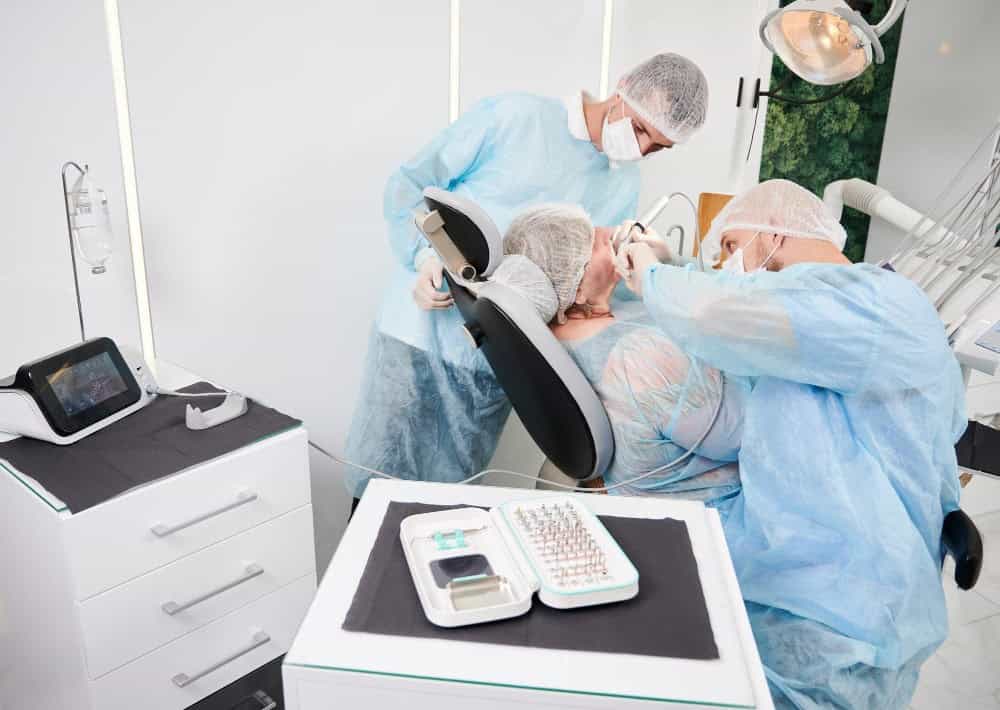
All on 4, All on 6 or All on 8 are more extensive treatments, as they aim to rehabilitate an entire dental arch. These treatments require more detailed planning, the placement of several implants, and the preparation of a prosthetic structure that replaces all the teeth of the arch.
However, one of the advantages of All on X treatments is that patients can often receive temporary teeth very quickly, provided the conditions are suitable. This allows them to not be without teeth during the healing period.
Factors influencing treatment duration
The time taken to place dental implants in Albania depends on several factors. One of the most important is the condition of the bone. The stronger and more sufficient the bone, the simpler the process can be.
Another factor is gum health. If the patient has gum disease, infections, or poor oral hygiene, these problems must be treated before or during the implant plan.
The number of missing teeth also influences this. A single implant does not require the same plan as a full mouth rehabilitation. Patients who need to restore both arches typically have a more complex and lengthy treatment.
General health also plays an important role. Certain conditions, such as uncontrolled diabetes or heavy smoking, can affect healing and the success of implants. For this reason, the doctor must have a clear picture of the patient's medical history.
Why shouldn't you always choose the fastest option?
It is normal for patients to wish to complete treatment as soon as possible, especially when they are coming from abroad and need to arrange travel, work, and expenses. However, in implantology, speed should not be the only criterion.
Good treatment must be safe, planned and tailored to the patient's condition. In some cases, waiting a few months for definitive teeth is precisely what makes the result more stable.
If an implant is loaded too early when it is not yet well stabilised, it can increase the risk of complications. For this reason, the decision on immediate teeth, temporary teeth or waiting must be made by the dentist after assessing the case.
How to plan a trip for dental implants in Albania?
If you are considering coming to Albania for dental implants, it is advisable to start with a preliminary consultation. You can send X-rays, photos of your teeth, and information about past treatments. This helps the clinic to form an initial idea of your case and suggest a rough plan.
Subsequently, it is important to plan the trip with a bit of flexibility. Although many things can be organised in advance, the final decision is only made after the doctor visits you in person and evaluates the dental scan.
For patients travelling from abroad, it is important to understand that implant treatment is not always a single trip. In most cases, the best outcome is achieved with a phased plan, where the first visit is for the insertion of the implants and the second for the definitive teeth.
Is it possible to return to your country after having implants placed?
Yes, in many cases patients can return to their home country after the first phase, once their doctor has confirmed that everything is in order. This is one of the reasons why Albania has become a popular destination for dental tourism: patients can receive quality, well-planned treatment and then continue their recovery period at home.
Naturally, the patient must follow the post-operative instructions. This includes oral hygiene care, taking prescribed medication, avoiding hard foods, and contacting the clinic if any unusual symptoms appear.
If temporary teeth are fitted, the patient must be careful not to use them as definitive teeth during the healing period. Temporary teeth are important for aesthetics and daily function, but they must be treated with care.
How long do dental implants take in total in Albania?
In a simple case, complete treatment with dental implants can take a few months from the initial consultation to the placement of the permanent teeth. The implant placement itself can be carried out in one day, but integration with the bone takes time.
In cases where the patient requires additional procedures, such as a bone graft, treatment may take longer. In cases where the patient is a candidate for immediate loading, they can leave with temporary teeth within a few days, but will still need to return later for the permanent teeth.
Therefore, the most accurate answer is: dental implants can be placed quickly, but the final treatment requires planning and biological healing times. A reputable clinic should not promise the same timeframe to every patient, as each case is different.
Conclusion
Getting dental implants in Albania can be an excellent solution for patients seeking quality treatment, natural aesthetics, and more affordable costs compared to many other countries. However, it is important to understand that dental implants are not simply a quick procedure, but a treatment that requires planning, precision, and healing time.
Some patients can receive temporary teeth within a few days, while the permanent teeth are only fitted once the implants have integrated with the bone. For this reason, the duration of treatment can vary from one patient to another.
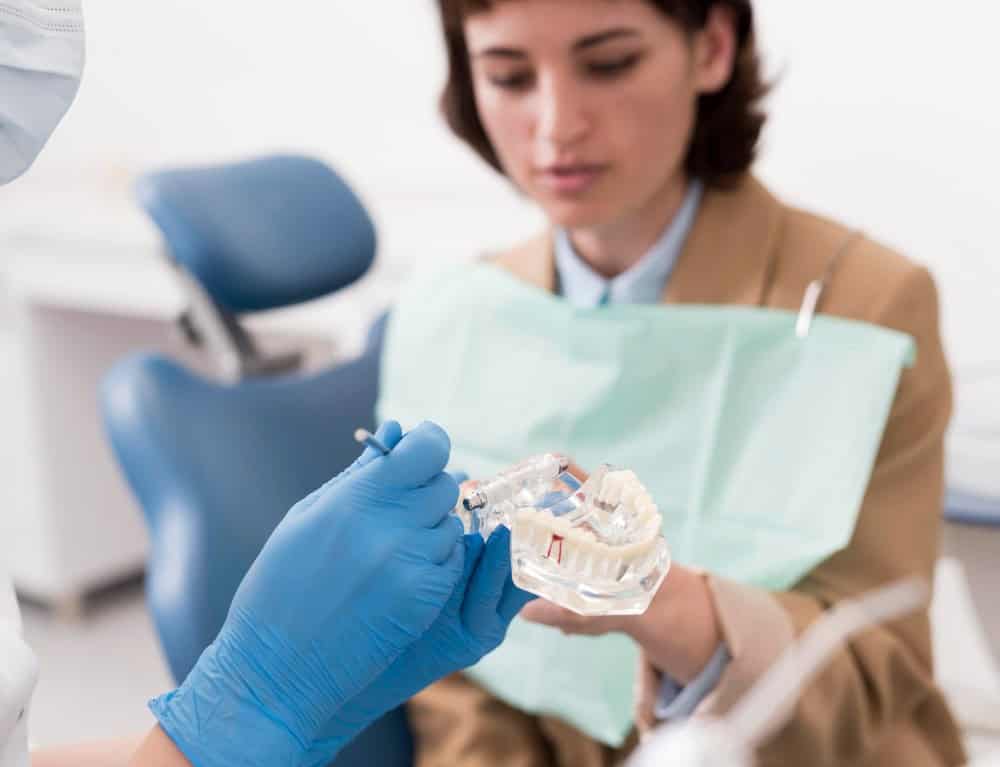
If you are considering dental implants in Albania, the best step is to request a personalised consultation. Only after an evaluation of your mouth, bone, teeth, and your needs can you receive a clear plan regarding the timings, appointments, and stages of the treatment.
Frequently asked questions
Dental implant placement typically takes 1-2 hours.
The insertion of a dental implant can be relatively quick during the surgical procedure, often less than patients imagine. However, the total treatment time is not just measured by the duration of the intervention, but also by the healing period and the integration of the implant with the bone.
After the implant has been placed, it's usually necessary to wait a few months before fitting the permanent tooth. This period allows the implant to become a stable part of the bone and create a secure base for the dental crown.
Can I have dental implants and teeth fitted on the same day?
In some cases, yes. Some patients may receive temporary teeth on the same day or within a few days of implant placement. This depends on implant stability, bone quantity, and the overall condition of the mouth.
However, these are usually temporary teeth, not the final ones. The final teeth are fitted later, after the implants have healed and integrated well with the bone.
How many times do I need to come to Albania for dental implants?
Many patients from abroad require two main trips. The first trip is for consultation, planning, and implant placement. The second trip takes place after a few months when the permanent teeth are fitted.
In more complex cases, an additional visit may also be required. This is particularly the case when the patient requires a bone graft, a sinus lift, or preliminary treatments before implant placement.
How long should I stay in Albania after getting implants?
It depends on the type of treatment. For simpler cases, a few days may be enough for the consultation, the procedure and the check-up afterwards. For more extensive treatments, such as All on 4 or a complete mouth rehabilitation, a longer stay may be necessary.
The doctor will advise you on how many days to stay based on your case. It's always best to leave some flexibility in your travel plans for any necessary check-ups or adjustments.
Does getting dental implants hurt?
During the procedure, local anaesthetic is used, so the patient should not feel pain when the implant is inserted. After the procedure, soreness, swelling, or discomfort may occur for a few days, but these symptoms usually subside gradually.
The doctor can prescribe medication to help manage pain and reduce the risk of infection. Following the post-treatment instructions is very important for a smoother recovery.
Why do I have to wait a few months for adult teeth?
The wait is necessary because the implant needs to integrate with the bone. This process makes the implant stable and capable of supporting the final tooth during daily chewing.
If the permanent tooth is fitted too early onto an implant that is not yet well-stabilised, it can increase the risk of complications. For this reason, the dentist decides on the correct timing based on the healing and the condition of the implant.
Can I have dental implants if I have little bone?
Yes, in many cases it is possible. If there is insufficient bone, the doctor may recommend additional procedures such as a bone graft or a sinus lift. These procedures help to create a better foundation for implants.
However, these treatments can prolong the total treatment duration. Although they require more patience, they are often necessary to achieve a safer and more lasting result.
Can I work or travel after getting implants?
Many patients can return to light activities after a few days, but this depends on the number of implants and the complexity of the surgery. After the procedure, it is recommended to avoid excessive exertion, strenuous physical activity, and very hard foods.
If you are arriving from abroad, the doctor will tell you when it is safe to travel. Usually, after a brief check-up and if recovery is proceeding normally, patients can return to their own country.
Are temporary teeth the same as final teeth?
No, temporary teeth are not the same as permanent teeth. They are used during the healing period to maintain basic aesthetics and function, but they do not always have the same strength, material, or final adaptability as permanent teeth.
The permanent teeth are fitted later and are designed to ensure long-term stability, function, and aesthetics. They are adapted to the bite, facial shape, and individual patient needs.
How do I know how long my treatment will last?
The most accurate way to know is through a personalised consultation. The doctor must assess the condition of your teeth, gums, bone, and general health to create a treatment plan.
Every patient is different. For this reason, the duration of treatment with dental implants in Albania should only be determined after a complete evaluation and not solely based on general information found online.