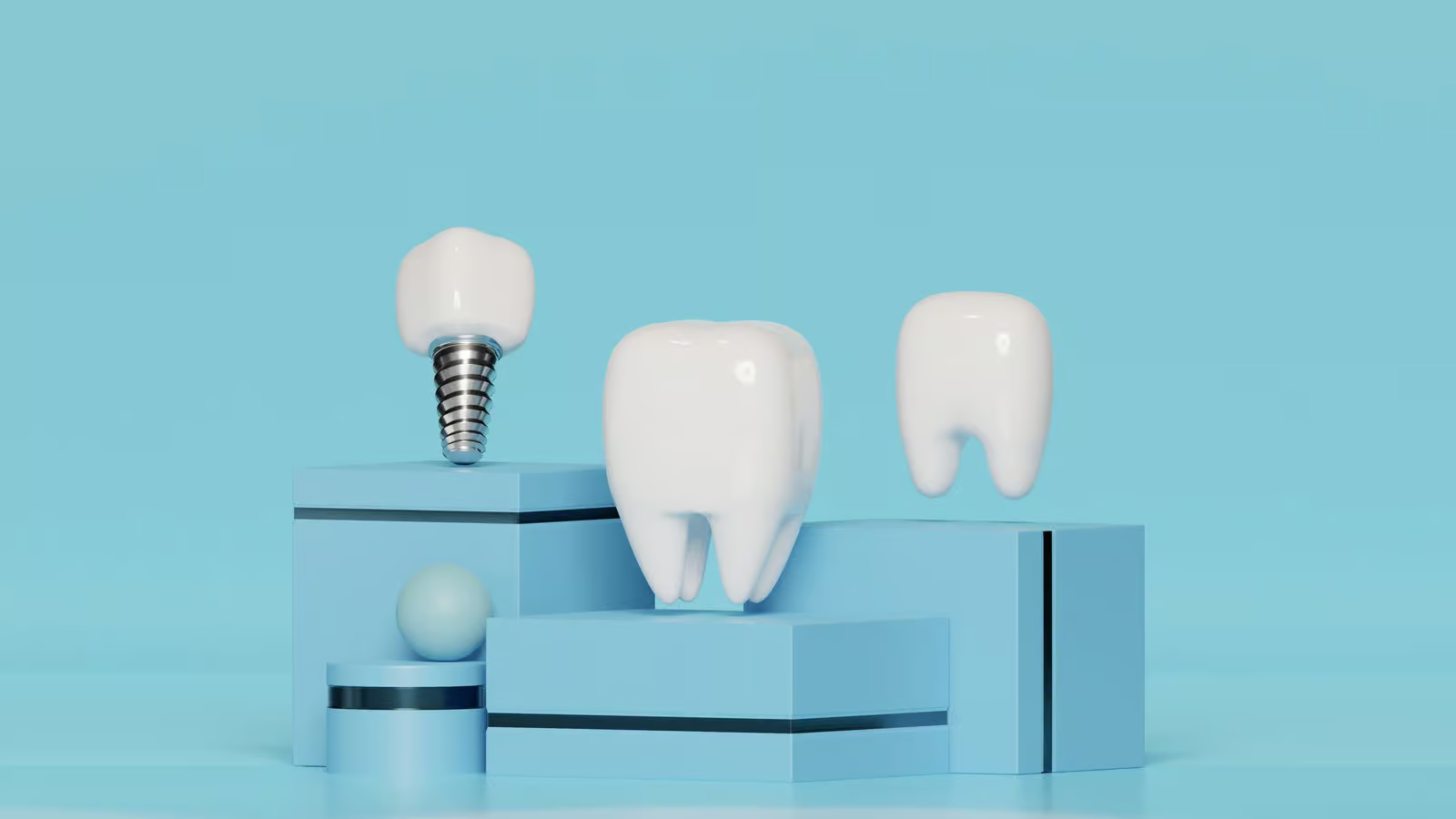
Per l’aspetto più simile a un dente naturale, la corona in E.max (disilicato di litio) è in genere la scelta migliore, soprattutto per i denti anteriori: è più traslucida e riflette la luce come lo smalto. Lo zirconio è invece più resistente e ideale per molari, ponti e pazienti che digrignano i denti. Oggi però lo zirconio multistrato di ultima generazione ha ridotto molto la differenza estetica, quindi la scelta giusta dipende dalla posizione del dente, dal colore del moncone e dalle tue abitudini.
Let’s take a detailed look at how the two materials compare and how to choose between them.
What Makes a Tooth Look “Natural”
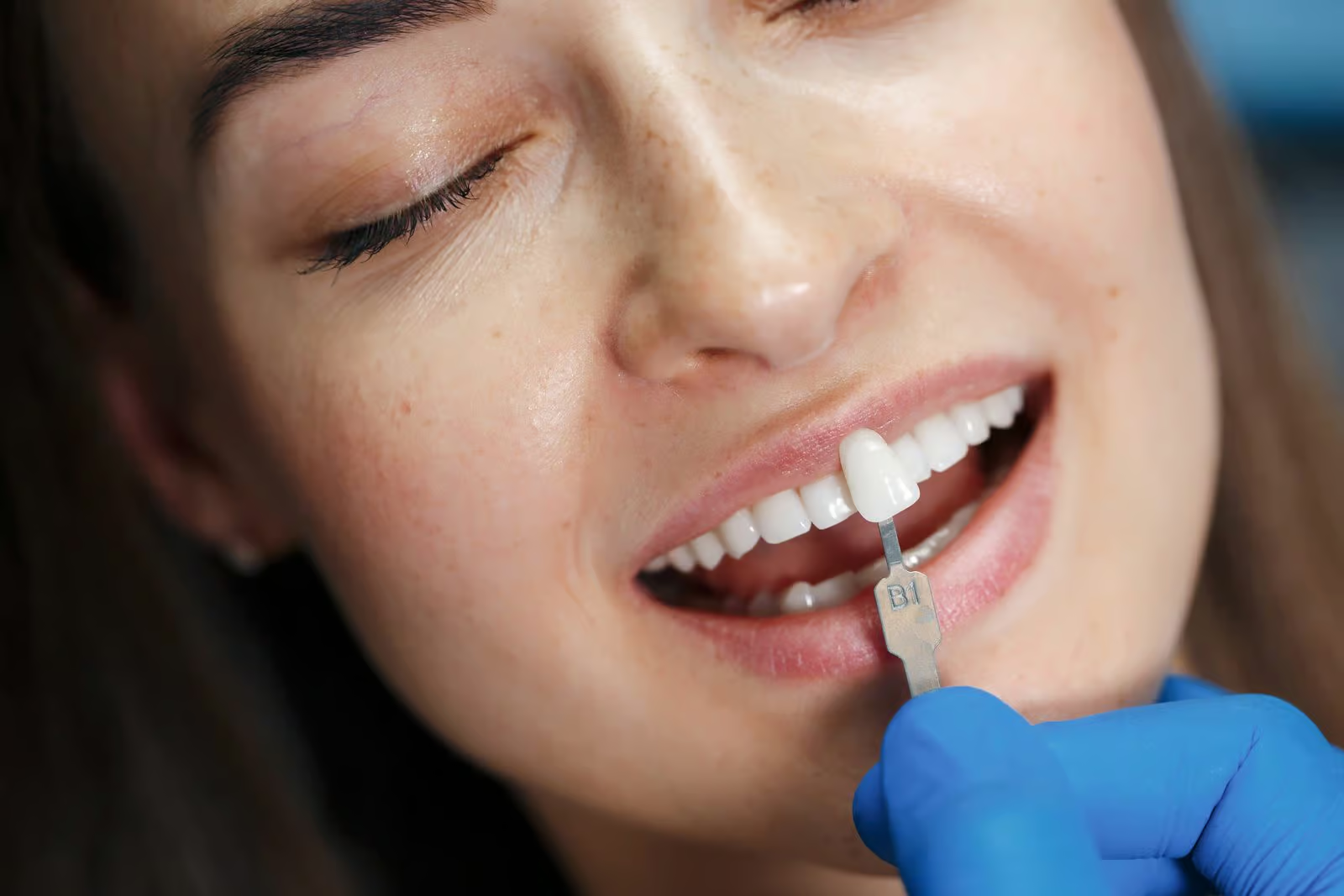
Before comparing the materials, it is useful to understand why a natural tooth is so difficult to replicate. Enamel is not white and opaque: it is partially transparent. Light passes through it, reflects off the underlying dentin and creates the depth of colour we perceive as “real”.
A natural tooth has:
- Translucency at the incisal edge, which is more transparent and slightly bluish.
- Colour gradation, more intense near the gum line and lighter towards the tip.
- Fluorescence under certain types of light.
- Surface with micro-texture, not perfectly smooth.
The more a material reproduces these characteristics, the more the crown blends in with the adjacent teeth.
What Is an E.max Crown?
E.max is the brand name of a lithium disilicateceramic. It is a reinforced glass ceramic, known for its excellent balance of aesthetics and strength.
Key advantages:
- Excellent translucency, very close to that of natural enamel.
- Rich, deep colour reproduction with realistic shades.
- Bonding to the tooth: it can be adhesively cemented, preserving more natural tooth structure.
- Also ideal for veneers and partial crowns.
Limitations:
- Compressive strength of around 500 MPa: excellent, but lower than zirconia.
- Less suitable for long-span bridges and for the molars of patients with bruxism.
- On a very dark or metal tooth stump, it may allow the underlying colour to show through.
What Is a Zirconia Crown?
Zirconia (zirconium oxide) is an extremely strong ceramic, often referred to as “ceramic steel”. There are two main types:
- Monolithic zirconia: made from a single block, extremely strong (over 1000 MPa), and slightly less translucent.
- Layered zirconia: a zirconia structure covered with aesthetic ceramic for a more natural appearance.
In recent years, multilayer zirconiahas also become widespread, with colour gradations and translucency already integrated into the block, making zirconia crowns much more natural-looking than in the past.
Key advantages:
- Exceptional strength, ideal for molars and bridges.
- Biocompatibilità elevata, ottima tolleranza da parte delle gengive.
- It effectively covers dark tooth stumps or the metal components of implants.
- Lunga durata, con una manutenzione semplice.
Limitations:
- Traditionally less translucent than E.max, especially in the monolithic version.
- On a single incisor next to natural teeth, a trained eye may notice the difference.
Zirconia vs E.max: a direct comparison
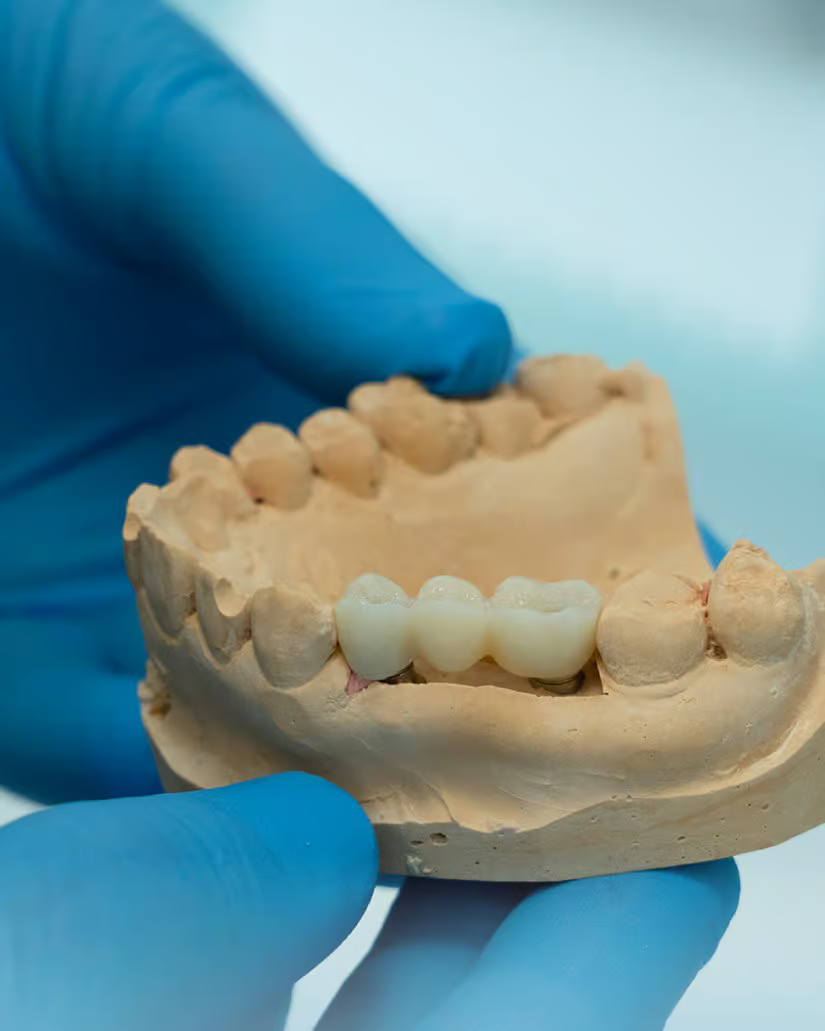
| Caratteristica | E.max (lithium disilicate) | Zirconia |
|---|---|---|
| Natural appearance | Eccellente | Very good (excellent if multilayered) |
| Translucency | Alta | Moderate (monolithic) / good (multilayered) |
| Resistenza | About 500 MPa | 700–1000+ MPa |
| Front teeth | Ideal choice | Good choice |
| Molars | Possible, with caution | Ideal choice |
| Long-span bridges | Not recommended | Recommended |
| Bruxism | Less suitable | Recommended |
| Dark tooth stumps | Limited coverage | Excellent coverage |
| Estimated lifespan | 15–20 anni | 15–20+ years |
Which one to choose based on your situation
For front teeth
If you need to replace one or two incisors and the neighbouring teeth are natural, E.max is often the most aesthetic choice. Its translucency helps the crown blend in with the rest of your smile. Multilayer zirconia is a valid alternative, especially if the underlying tooth is discoloured.
For molars and premolars
Here, strength matters more than translucency. Zirconia withstands chewing forces better and reduces the risk of fractures.
For implant-supported crowns
Sugli impianti si sceglie molto spesso lo zirconio, perché copre bene l’abutment, è molto resistente e non ha un legamento naturale che ammortizza i colpi, quindi la robustezza è un vantaggio. Nei settori anteriori, si può valutare uno zirconio stratificato o una corona in E.max su abutment in zirconio per la massima estetica.
For a full smile makeover or a Hollywood Smile
Quando si rifanno tutti i denti visibili, l’uniformità è più facile da ottenere. Molti pazienti scelgono zirconio multistrato per resistenza e luminosità, oppure E.max per una resa più naturale e “vitale”. Scopri di più sull’Hollywood Smile in Albania.
If you grind your teeth
In cases of bruxism, zirconia is almost always preferable, along with a night guard to protect the restoration over time.
The role of the dentist and the dental laboratory
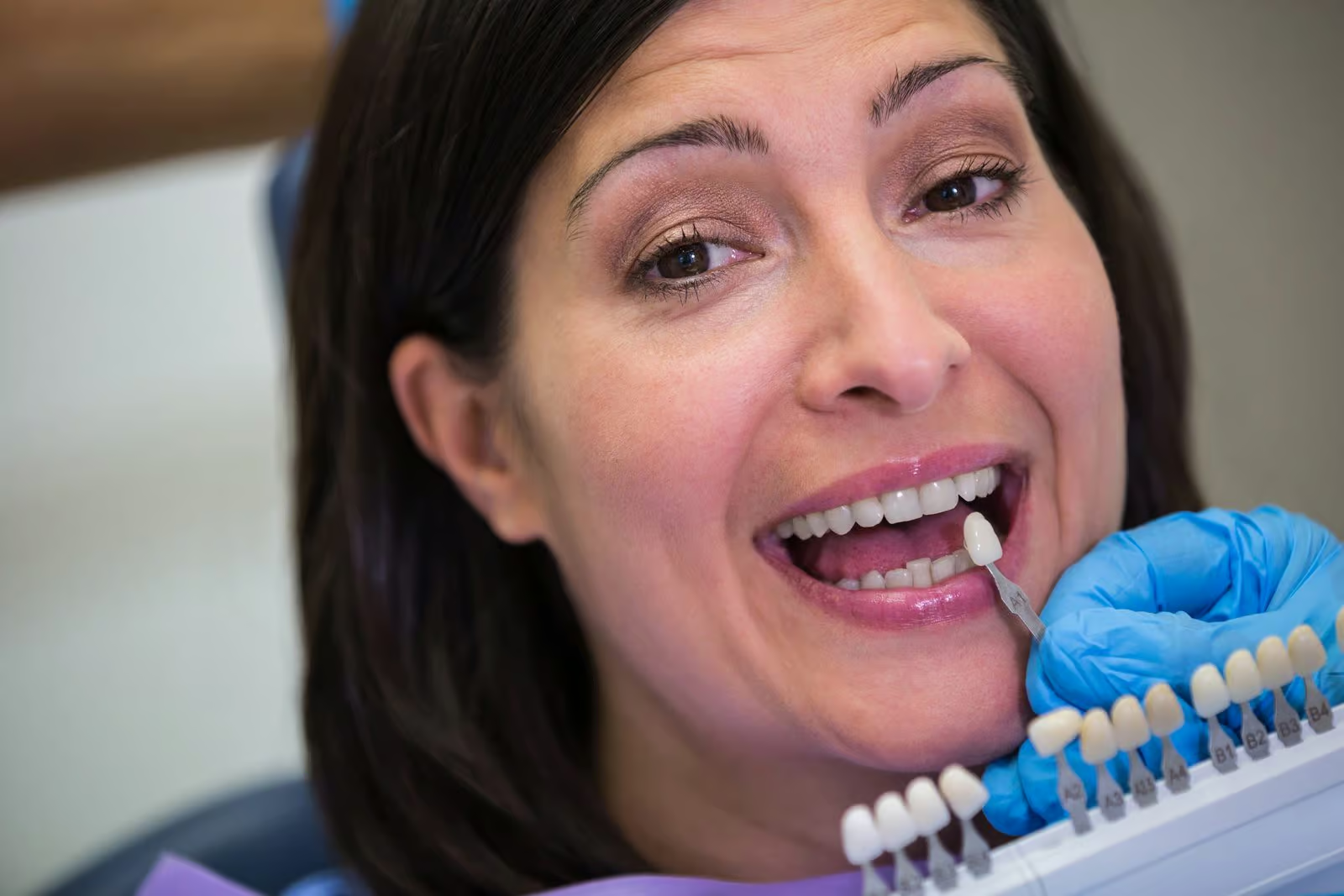
The same material can produce very different results depending on who works with it. For a truly natural-looking crown, the following are important:
- the shade selection under appropriate lighting and using reference photos;
- the shape tailored to your face and neighbouring teeth;
- the quality of the dental laboratory and digital milling;
- the tooth preparation and gum health.
At Hygeia Dent, crowns are designed using digital technology and certified materials, starting with a personalised smile design.
How to keep your crowns looking natural over time
Whether you choose zirconia or E.max, certain habits can help preserve their colour and shine for many years:
- Use a non-abrasive toothpaste: highly abrasive “whitening” toothpastes can dull the ceramic’s glossy surface.
- Clean between your teeth every day with floss, interdental brushes or a water flosser to keep the gums around your crowns healthy.
- Have check-ups and professional cleanings at least once or twice a year.
- Protect your crowns at night with a night guard if you grind your teeth.
- Limit smoking, coffee and red wine: ceramic is highly stain-resistant, but neighbouring natural teeth are not, and a colour difference makes the crown more noticeable.
One important thing to know: ceramic crowns cannot be whitened. If you would like whiter teeth, it is best to have whitening treatment before getting your crowns, so the colour can be selected to match the new shade.
How long does it take to get crowns in Albania?
For patients travelling from Italy, crowns on natural teeth are usually completed during a single stay of a few days: tooth preparation, digital impressions, fitting and final cementation. Implant crowns, on the other hand, are fitted after the implants have healed. The Hygeia Dent team will provide you with the exact timeline in your treatment plan.
Domande frequenti
Do zirconia crowns look fake?
Older-generation monolithic zirconia could appear more opaque. Today’s multilayer and layered zirconia offer a very natural appearance, suitable even for front teeth.
Does E.max break easily?
No. It is a strong, reliable ceramic for front teeth and premolars. It is less suitable only for long bridges or in cases of severe bruxism.
Which lasts longer, zirconia or E.max?
With good oral hygiene and regular check-ups, both can last 15–20 years. Monolithic zirconia is the strongest material overall.
Can I have zirconia at the back and E.max at the front?
Yes, and it is a very common combination: strength where you chew and maximum aesthetics where you smile. The dentist carefully matches the colour of the two materials.
The right choice is a personalised one
There is no single material that is best in every case: E.max excels in natural appearance, zirconia in strength, and the ideal solution often combines both materials. A thorough assessment helps you choose based on your teeth, your smile and your habits.
Vuoi sapere quale corona è più adatta a te? Richiedi una consulenza gratuita a Hygeia Dent e scopri le nostre corone dentali in Albania e le faccette dentali. Contattaci qui.