


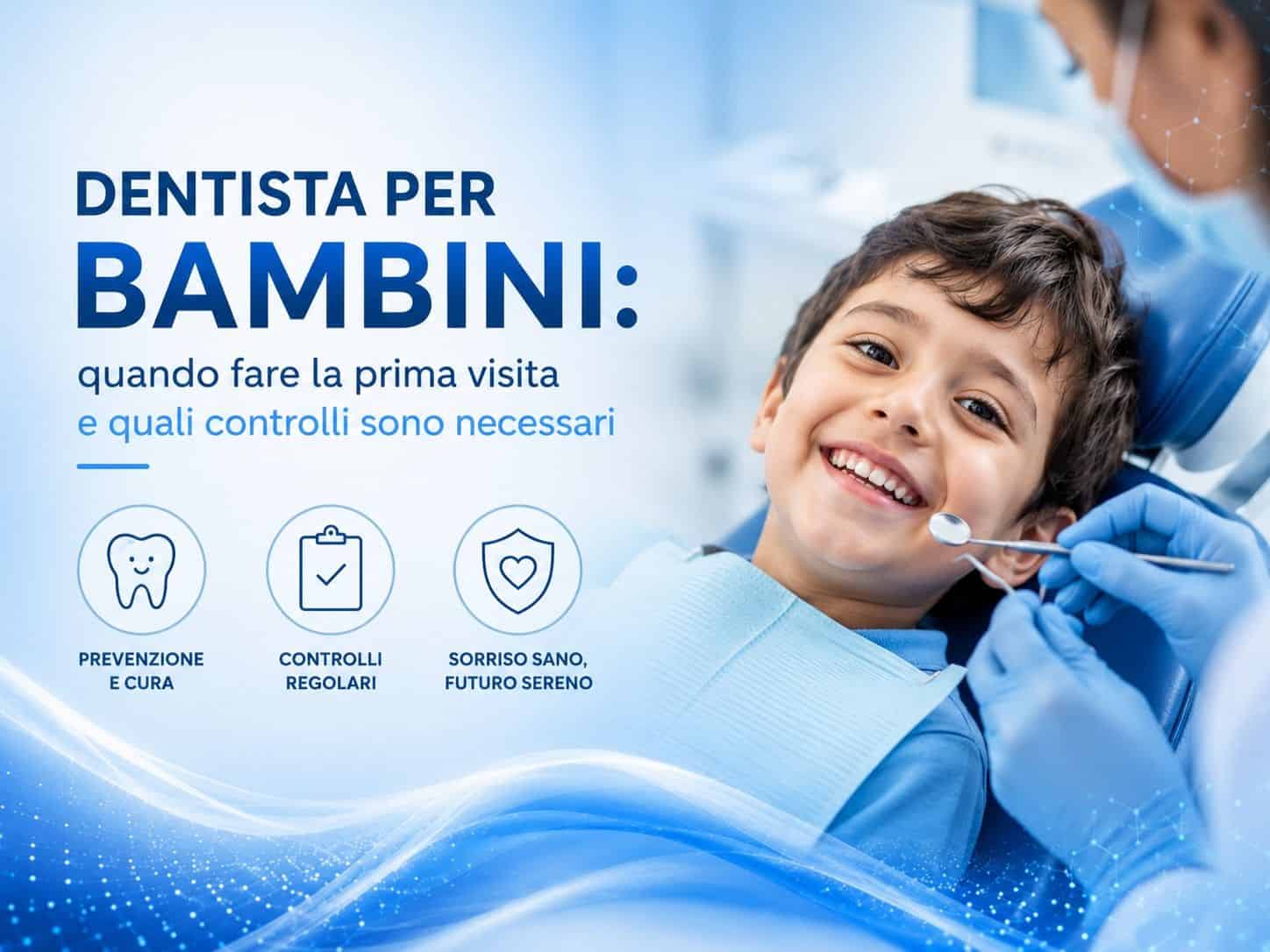
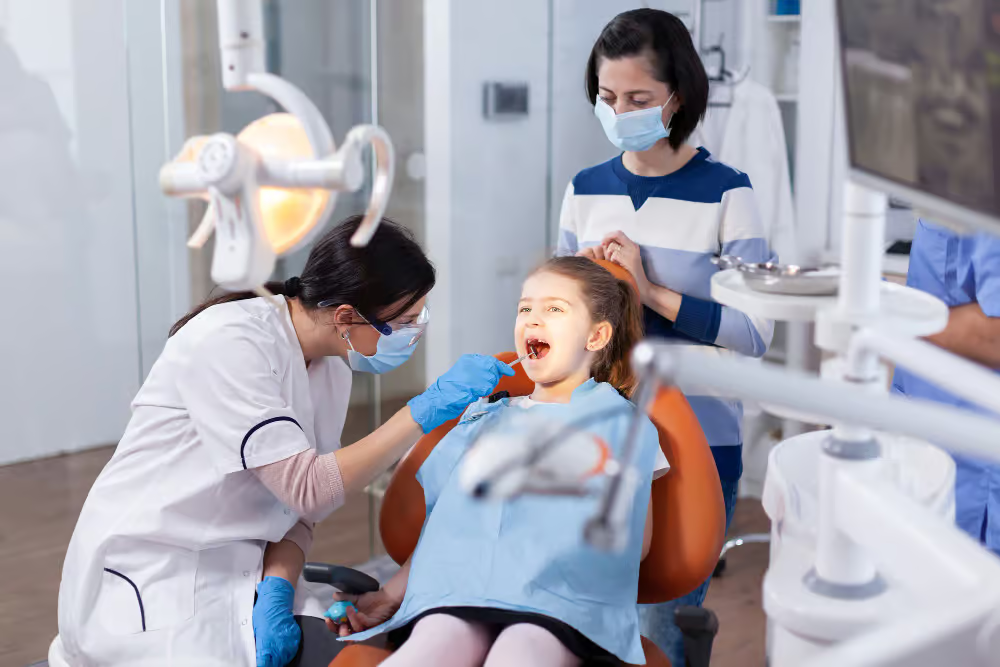
A visit to the dentist for children is an important step for oral health from the first years of life. Although baby teeth are temporary, they play a very important role in chewing, speaking and the development of permanent teeth. The earlier a good checkup routine is created, the easier it becomes to prevent dental problems.
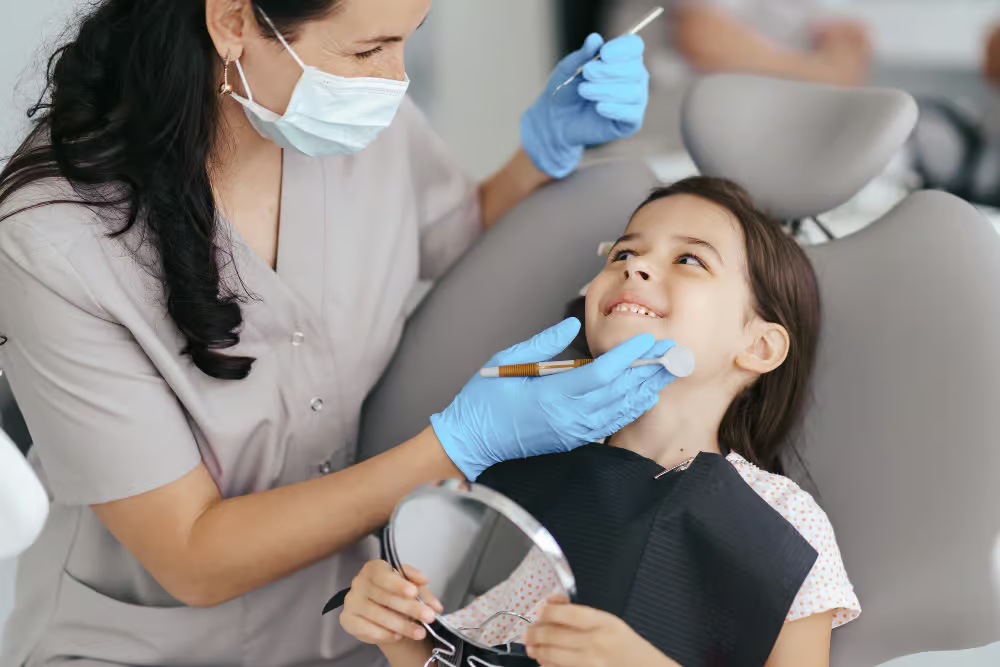
When should the first visit to the dentist for children take place?
The first dental visit is recommended when the first teeth appear or around the first year of life. This visit is not always meant for treatment, but more for a checkup, guidance and advice for parents on proper oral care.
Many parents think the dentist should only be visited when the child has pain, cavities or a visible problem. In reality, an early checkup helps detect problems in their initial stages and allows the child to become familiar with the clinic environment without fear or stress.
Why are baby teeth important?
Baby teeth are not simply “temporary teeth”. They help the child chew food, speak more clearly and maintain the right space for permanent teeth.
If a baby tooth is severely damaged or lost too early, this can affect the position of the other teeth. In some cases, the teeth near the empty space may move and create problems with the eruption of permanent teeth.
What does the dentist check during the first visit?
During the first visit, the dentist checks the teeth that have erupted, the gums, jaw development and the child’s oral hygiene. The dentist also evaluates whether there are early signs of cavities, irritation or problems with tooth eruption.
A very important part of this visit is the conversation with the parents. The dentist can give advice on brushing the teeth, using the right toothpaste, eating habits and how to avoid common problems that appear during childhood.
How often should a child go to the dentist?
Usually, children should have regular dental checkups every few months, according to the dentist’s recommendation. The frequency of visits depends on the condition of the teeth, the risk of cavities, hygiene habits and the child’s diet.
Some children only need periodic checkups, while others may need more frequent follow up. If the child has cavities, sensitive teeth, difficult hygiene or often consumes sweet foods, checkups may need to be closer together.
Signs that show a child should visit the dentist
Parents should plan a visit to the dentist if they notice white or dark spots on the teeth, pain while eating, sensitivity to cold or sweet foods, bad breath or bleeding gums.
A visit is also important if the child’s teeth erupt very late, if the teeth appear crooked from the beginning or if the child has had an injury to the mouth. Even when the problem seems small, an early checkup helps avoid complications.
Cavities in children: why should they be treated early?
Cavities in children can progress quickly because baby teeth are more sensitive than permanent teeth. If left untreated, cavities can cause pain, infection, difficulty eating and sleep problems.
Early treatment is simpler and more comfortable for the child. When parents wait until the child has strong pain, treatment can become more difficult and the dental experience can be more stressful.
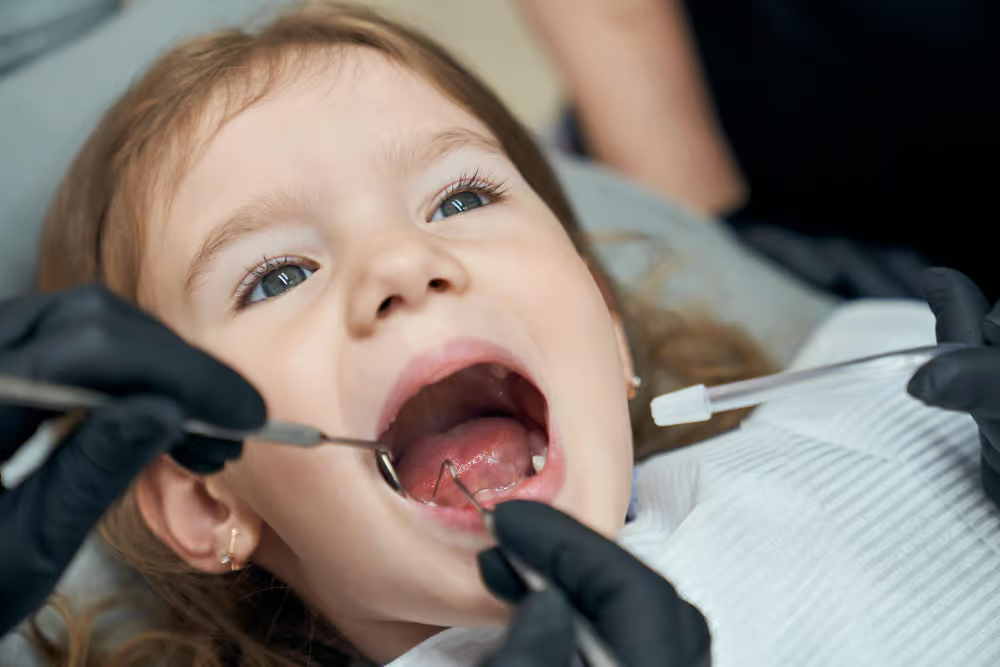
How can cavities in children be prevented?
Prevention begins with daily hygiene. Teeth should be cleaned regularly with a toothbrush suitable for the child’s age and with toothpaste recommended by the dentist.
Diet also plays a very important role. Frequent consumption of sweets, sweet drinks or foods that stick to the teeth can increase the risk of cavities. For this reason, parents should pay attention not only to what the child eats, but also to how often the child consumes sweet foods during the day.
The role of parents in the child’s oral care
Children need their parents’ help with brushing, especially in the first years. Even when the child tries to brush their teeth alone, the parent should check whether the cleaning has been done properly.
A daily routine is very important. When brushing becomes a normal part of the morning and evening, the child learns to see oral care as something normal, not as an obligation or something frightening.
How should a child be prepared for a dental visit?
Preparation should be simple and positive. Parents can explain to the child that the dentist will check the teeth and help keep the smile healthy.
It is better to avoid words that create fear, such as “pain”, “needle” or “do not be afraid”. Even if the parent has had unpleasant experiences with the dentist, they should not pass this anxiety on to the child. A calm approach helps make the visit easier.
What treatments may children need?
Dental treatments for children depend on age and the condition of the teeth. Some children may only need a checkup and professional cleaning, while others may need dental fillings, cavity treatment or follow up of tooth eruption.
In some cases, the dentist may also recommend preventive measures to protect the teeth from cavities. The goal is to treat problems as early as possible and give the child the most comfortable experience possible.
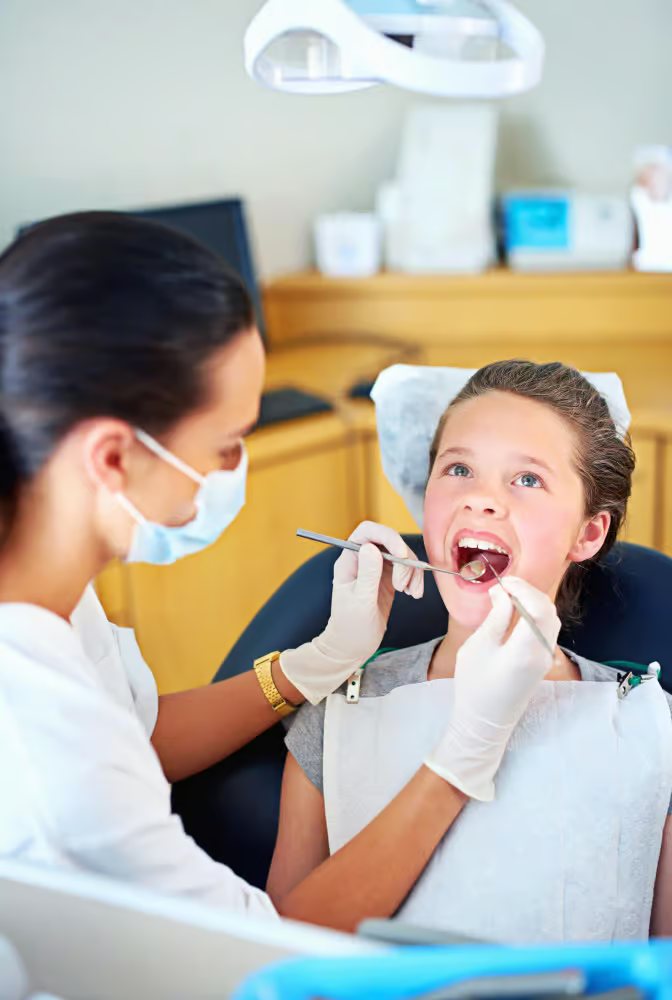
Checking the bite and jaw development
A dentist for children does not only check the teeth, but also the way the bite and jaw are developing. Some orthodontic problems can be noticed at an early age, even before all permanent teeth have erupted.
If signs such as an uneven bite, very crowded teeth, unusual spaces or habits such as thumb sucking for a long time are noticed, the dentist may recommend further follow up. Early checkups help plan treatment at the right time.
What should be done in case of a hit or injury to the teeth?
Children may experience dental injuries during play, sports or falls. Even if the tooth does not appear broken, it is important to have a dental checkup to see whether there is any hidden damage.
If a tooth breaks, moves or comes out of place, parents should contact the dentist as soon as possible. Quick intervention can help preserve the tooth and prevent later problems.
Regular visits build trust in the child
One of the greatest benefits of early visits is building trust. When the child goes to the dentist only for a checkup, without pain and without emergency treatments, they connect the clinic with a normal and calm experience.
This makes cooperation easier in the future if any treatment is needed. Children who become familiar with the dentist early often have less anxiety and are more willing to take care of their teeth.
Dentist for children at Hygeia Dent
At Hygeia Dent, dental care for children focuses on prevention, early checkups and creating the calmest possible experience for the child. Each visit is adapted according to the child’s age, needs and level of cooperation.
If your child has not yet had their first dental visit, or if you have noticed signs such as pain, spots on the teeth, difficulty chewing or problems with tooth eruption, a dental checkup can help you receive the right guidance. Early care is the best way to protect your child’s smile and oral health in the long term.
Frequently asked questions about the dentist for children
When should I take my child to the dentist for the first time?
The first dental visit is recommended when the first teeth appear or around the first year of life. Even if there is no pain or visible problem, an early checkup helps prevent cavities and create a good oral care routine.
How often should a child have a dental checkup?
Most children should have regular dental checkups, according to the dentist’s recommendation. The frequency depends on the condition of the teeth, the risk of cavities, oral hygiene and eating habits.
Should cavities in baby teeth be treated?
Yes, cavities in baby teeth should be treated, even though these teeth are temporary. If left untreated, cavities can cause pain, infection, difficulty eating and problems with permanent teeth.
How can I help my child not be afraid of the dentist?
The child should be spoken to about the dentist in a calm and positive way. It is best to avoid words that create fear and for the first visit to be a checkup, not only when the child has pain or an emergency.
What does the dentist check in children?
The dentist checks the teeth, gums, signs of cavities, jaw development and the way the teeth are erupting. If needed, the dentist gives advice on cleaning, diet and the next checkups.

 English
  Italian
  Albanian
  Spanish
  German