Yes, dental implants in Albania can be a safe treatment when they are placed by qualified professionals, following a thorough assessment and with appropriate care during recovery. Safety depends on the clinic, the team, the planning and your health. Asking the right questions before treatment allows you to choose with confidence and organise your trip with greater peace of mind.
Dental implants can help you chew better, speak more freely and feel more comfortable with your smile. If you are considering travelling to Albania for this treatment, it is natural to want to know who will care for you, how the procedure will be carried out and what will happen after you return home.
At Hygeia Dent, dental treatment is provided within a modern private hospital, where patients have access to hospital care 24 hours a day, 7 days a week. This support is particularly useful when you are away from home. However, an informed decision begins with a consultation and clear answers about your case.
These 10 questions will help you prepare.
1. Who will place the implants and what experience do they have?
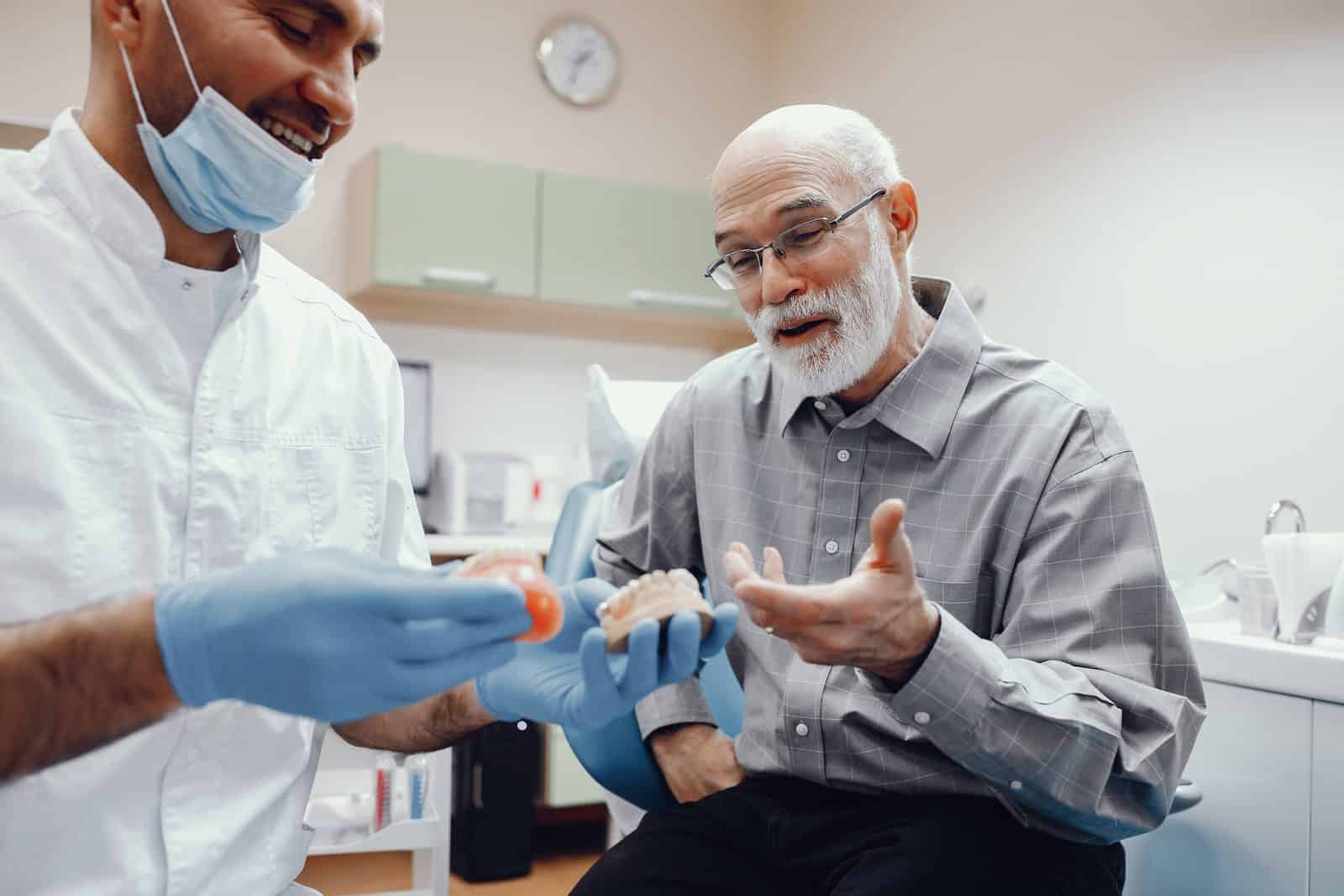
Ask for the name of the dentist who will perform the procedure, their qualifications, professional licence and experience with treatments similar to yours.
A single implant, multiple implants and full-arch rehabilitation require different planning. Ask how the team works together during the surgical phase and in creating the implant-supported teeth. It is also helpful to understand who will handle your follow-up appointments.
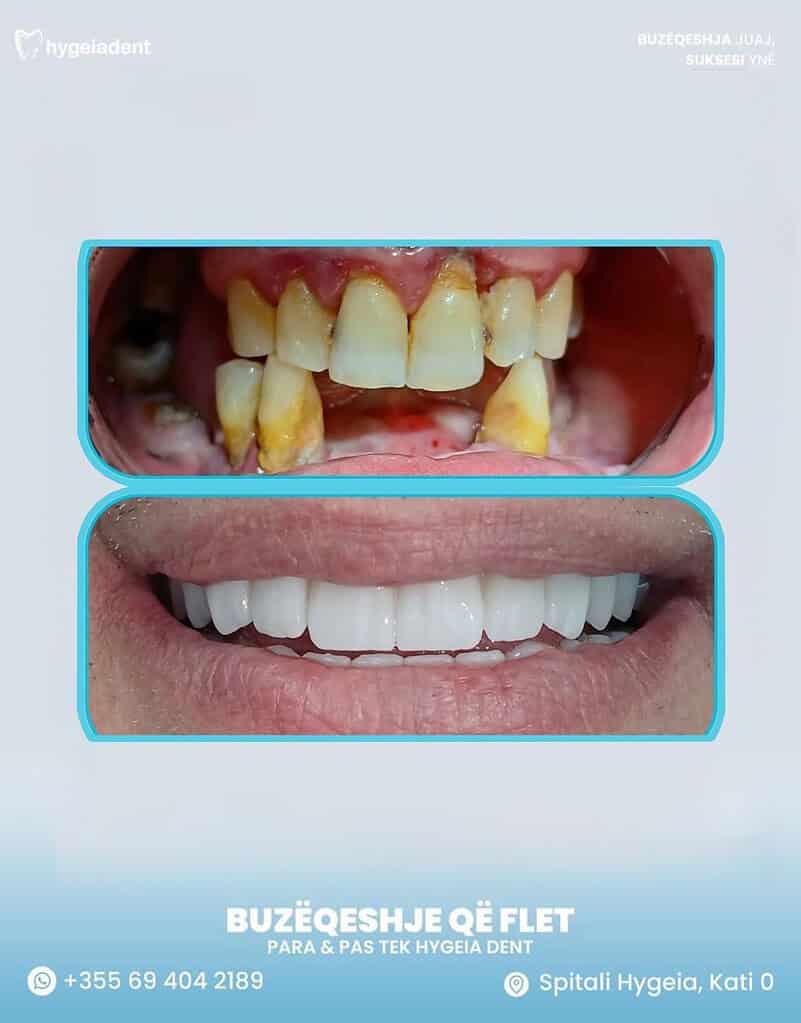
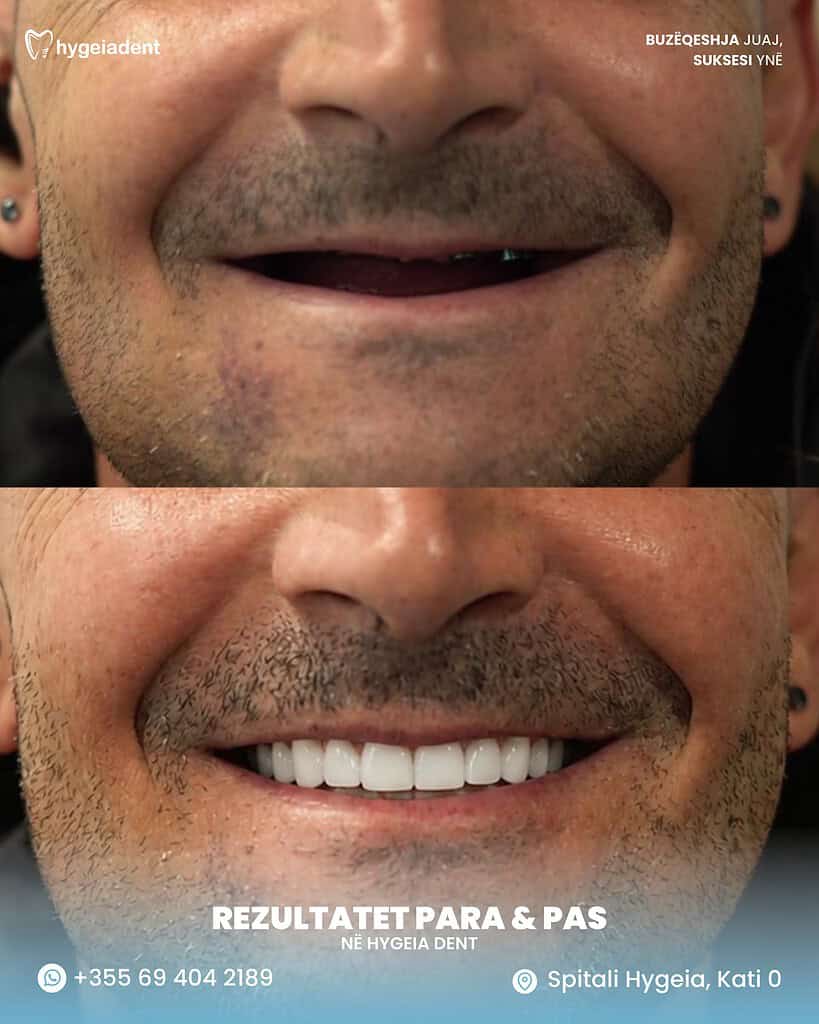
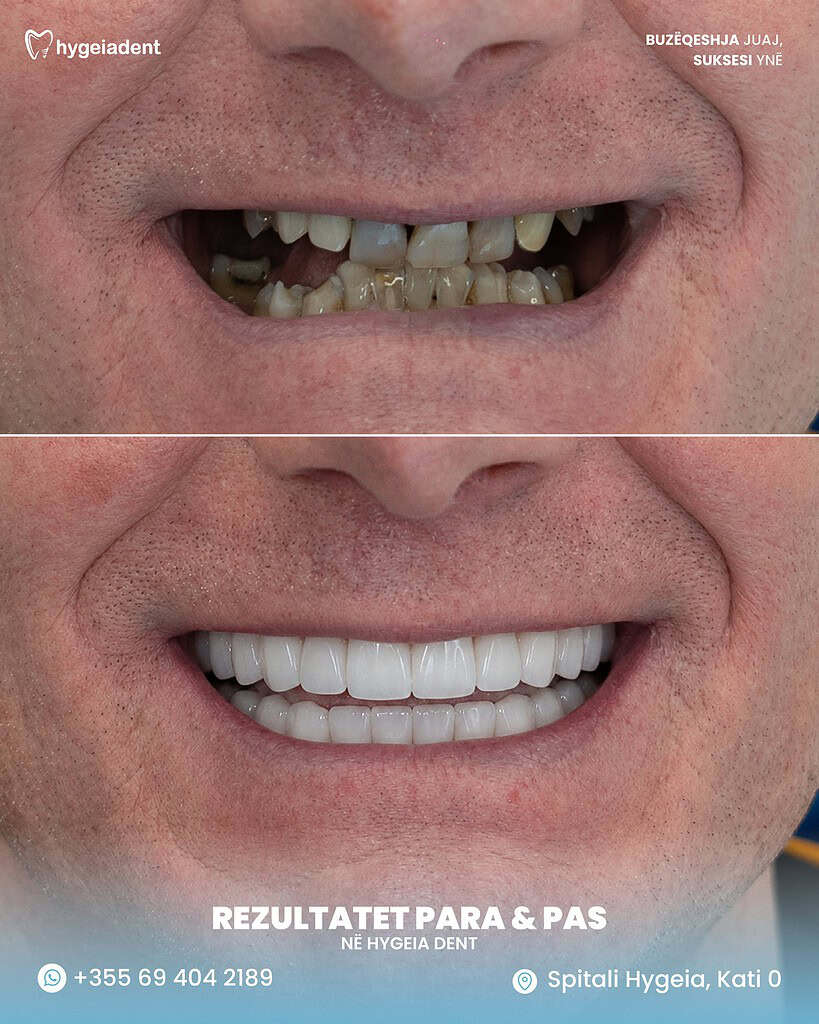
Photos of results can give you an idea of the aesthetic work, while the consultation helps you understand the clinical reasoning. A professional should explain why they recommend a particular solution and what the alternatives are.
The answer to look for: an identifiable team, clear roles and explanations tailored to your needs.
2. Am I a suitable candidate for dental implants?
This is one of the most important questions. Before implants are placed, your gum health, bone condition, oral hygiene and general health must be assessed.
Let the team know if you have diabetes, heart disease, allergies, previous surgeries or if you take medication regularly. Also mention whether you smoke and whether you have experienced healing problems. This information may affect the preparation and approach to treatment.
In some cases, the gums need to be treated or oral hygiene improved first. This stage helps create more favourable conditions for the procedure.
Do not stop taking any medication on your own before the procedure. If a change is needed, it must be determined by the healthcare professionals responsible for your care.
3. What tests are needed to plan the treatment?
A good plan begins with an examination of your mouth and appropriate X-rays. The dentist must assess your existing teeth, bite, tissues and the area where the implants will be placed.
X-rays help with planning. When necessary, a three-dimensional scan, such as a CBCT scan, may be recommended to obtain more detailed information about the bone and surrounding anatomical structures. Ask what information each examination provides and how it affects the clinical decision.
Photos or X-rays sent in advance can help provide an initial assessment. However, the final plan still requires the dentist's evaluation.
If the need for an additional procedure emerges during the consultation, ask to understand the reason for it, the alternatives and its impact on the duration of treatment.
4. How are hygiene and sterilisation ensured?
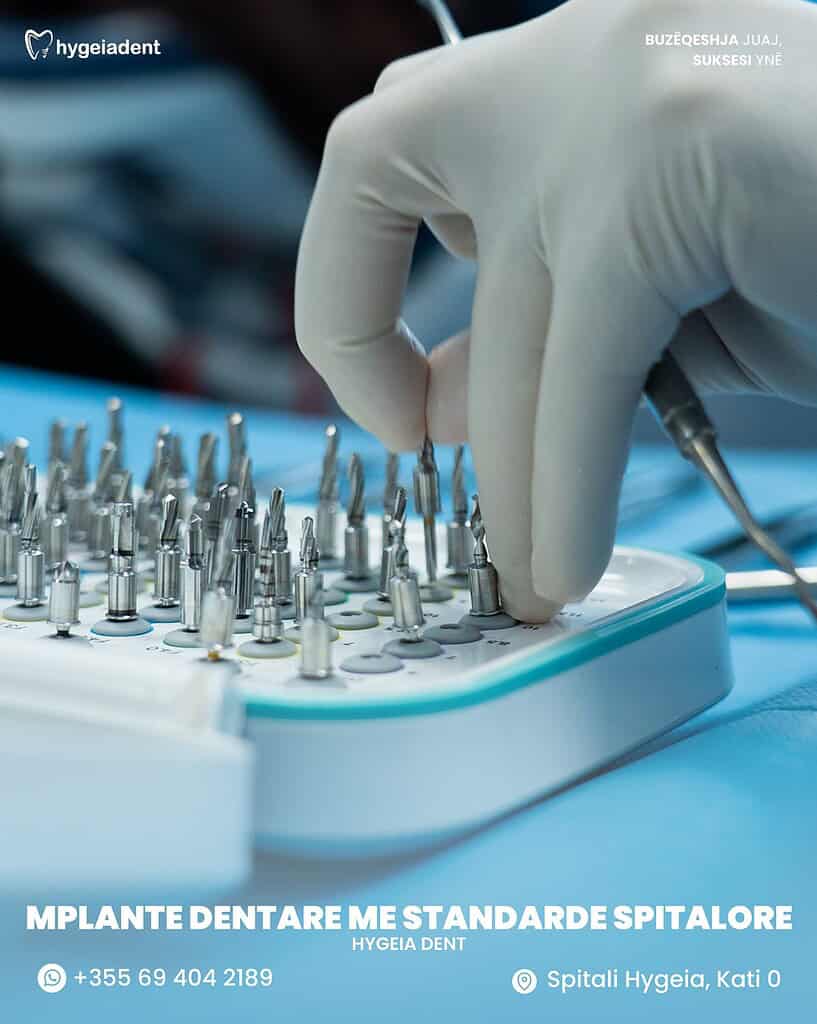
It is entirely reasonable to ask about hygiene protocols. Safety includes the cleaning, packaging and sterilisation of instruments, the use of single-use materials and the preparation of the treatment environment.
Ask for a clear explanation of the process and how the proper functioning of sterilisation equipment is verified. You do not need to know the technical terminology to receive a helpful answer.
During your consultation, observe how the spaces are organised and how the team communicates with you. Visible cleanliness is important, while documented protocols complement what you can observe.
A clinic that takes patient information seriously should be willing to discuss these procedures openly.
5. Which implant system will be used?
Ask about the manufacturer, the implant system, and the documentation you will receive after treatment. These details are useful for long-term check-ups, especially if you live outside Albania.
Ask for your documentation to include the implant identification details according to the system used. If maintenance or replacement of a component is needed in the future, the correct information will help the dentist caring for you.
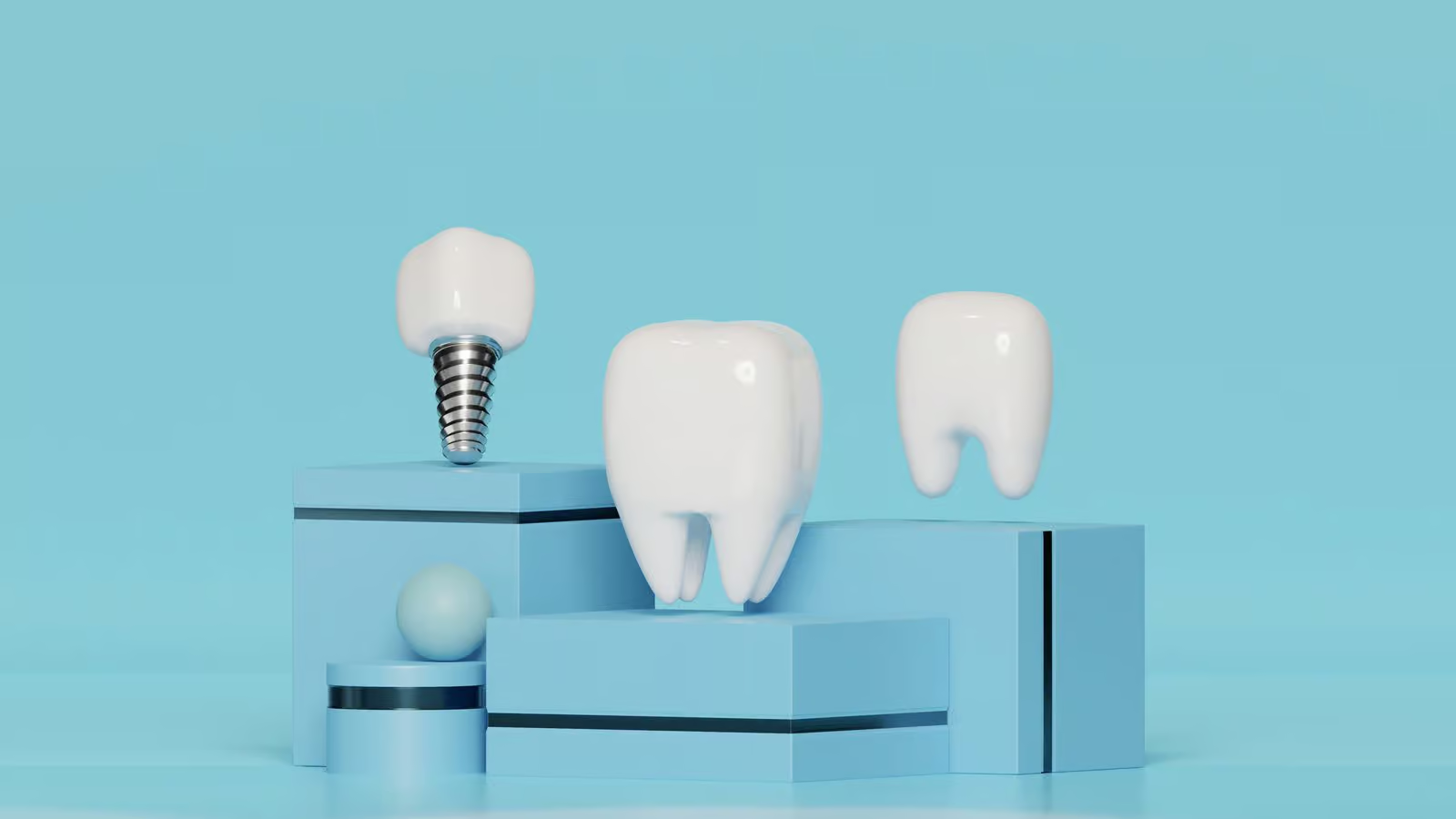
Also ask which material will be used for the implant-supported crowns or bridges. The implant and the visible tooth are different parts of the rehabilitation and should be explained separately.
A brand name is only one factor in the decision. Suitability for your case, placement, prosthetic restoration, and follow-up care also matter.
6. What are the risks in my case?
An open conversation about risks helps you prepare. Ask which symptoms can be expected during recovery and which complications may be associated with your procedure.
After the procedure, you may experience sensitivity, swelling, or bruising. There are also risks such as infection or failure of the implant to integrate with the bone. Smoking can increase the risk of failed integration. In certain areas, nerve structures and the maxillary sinuses must also be considered.
Ask for the explanation to be related to your condition and the planned procedures. A general success rate does not fully describe your individual situation.
It is reassuring when the dentist also explains what you can do to support healing, such as maintaining good oral hygiene and attending follow-up appointments.
7. How many stages does the treatment involve, and when will the final teeth be placed?
This question helps you plan your trip and set expectations. Ask for a plan that distinguishes between the consultation, preparation, implant placement, healing period, and final restoration.
In selected cases, temporary teeth can be fitted shortly after surgery. Ask whether you are a suitable candidate, which conditions must be met, and what limitations you will have when chewing.
Integration of the implant with the bone takes time. Having temporary teeth does not mean that healing is complete.
If bone grafting or another preliminary treatment is needed, the timeline may change. A realistic plan allows you to arrange time away from work, your stay, and follow-up appointments without unnecessary pressure.
8. What support is available if I need assistance during my stay?
Before the procedure, ask how to contact the team and where to go if you need medical assistance. Clarifying these details in advance will help you feel more at ease.
At Hygeia Dent, patients have access to hospital care 24 hours a day, 7 days a week, as the clinic is located within a modern private hospital. This makes hospital support available during your stay, even outside normal hours.
The dentist's availability and implant-specific check-ups should be clarified separately. Ask which number to call for dental concerns and how an assessment is arranged when needed.
Also ask for written instructions that distinguish common symptoms from signs that require immediate contact. This will give you a practical plan even after you have left the clinic.
9. How does care continue after I return home?
Implant treatment includes post-procedure check-ups and long-term maintenance. For international patients, it is important to arrange this aspect before returning home.
Ask when your next check-up should take place, whether another visit to Albania will be necessary, and how the clinic can work with the dentist in your country of residence.
Request copies of your treatment summary, any necessary X-rays, and implant details. Also clarify how to contact the team if a crown becomes loose, your bite feels different, or a new symptom appears.
Remote communication can help guide you, while some situations require an in-person examination. Complete documentation and clear responsibilities make continuity of care easier.
10. What should I do to keep my implants in good condition?
Ask for an oral hygiene routine suited to the type of restoration you have. Cleaning around a single crown may differ from cleaning underneath a bridge supported by multiple implants.
The team should show you the appropriate technique and tools, such as interdental brushes when recommended. Ask for a practical demonstration and try it yourself, so you can be confident that you can continue the routine at home.
Regular check-ups help assess the tissues, bite, and restoration components. Some parts may loosen or wear over time, so any new symptoms should be checked.
If you clench your teeth at night, mention it during your consultation. Also ask for guidance on smoking, diet, and professional maintenance.
How should I use this list during my consultation?
Save the questions on your phone and note the main answers. You do not need to make a decision immediately. Give yourself time to understand the plan and ask for clarification on any term that seems unclear.
Consider how carefully the team listens to your concerns and whether the recommendations are linked to the clinical examination. Patient reviews and photographs can complement the information, while documentation and the consultation help you assess the specific treatment.
Before booking your trip, make sure you understand the length of your stay, the possible number of appointments, and the care required after you return home.
Plan your trip for dental implants in Albania
A positive experience begins with clear information and a personalized plan. When you know the team, understand the stages, and know how your care will continue, the trip becomes easier to arrange.
Contact Hygeia Dent for a consultation dedicated to dental implants in Albania. Discuss your needs, medical history, and travel dates, so that your journey toward a new smile is based on an accurate assessment and realistic expectations.