A dental implant that causes discomfort does not always need to be replaced. The problem may involve the crown, the connecting screw, or the surrounding tissues and, in some cases, can be treated while preserving the implant. When an implant has lost its support in the bone or is severely damaged, removal and replacement planning may be necessary. The first step is to identify the exact cause.
If you had implant treatment years ago and now notice movement, discomfort, or a change in the appearance of your teeth, it is natural to feel concerned. However, an examination may reveal a more limited problem than you expect. A worn crown, for example, requires a different approach from bone loss around an implant.
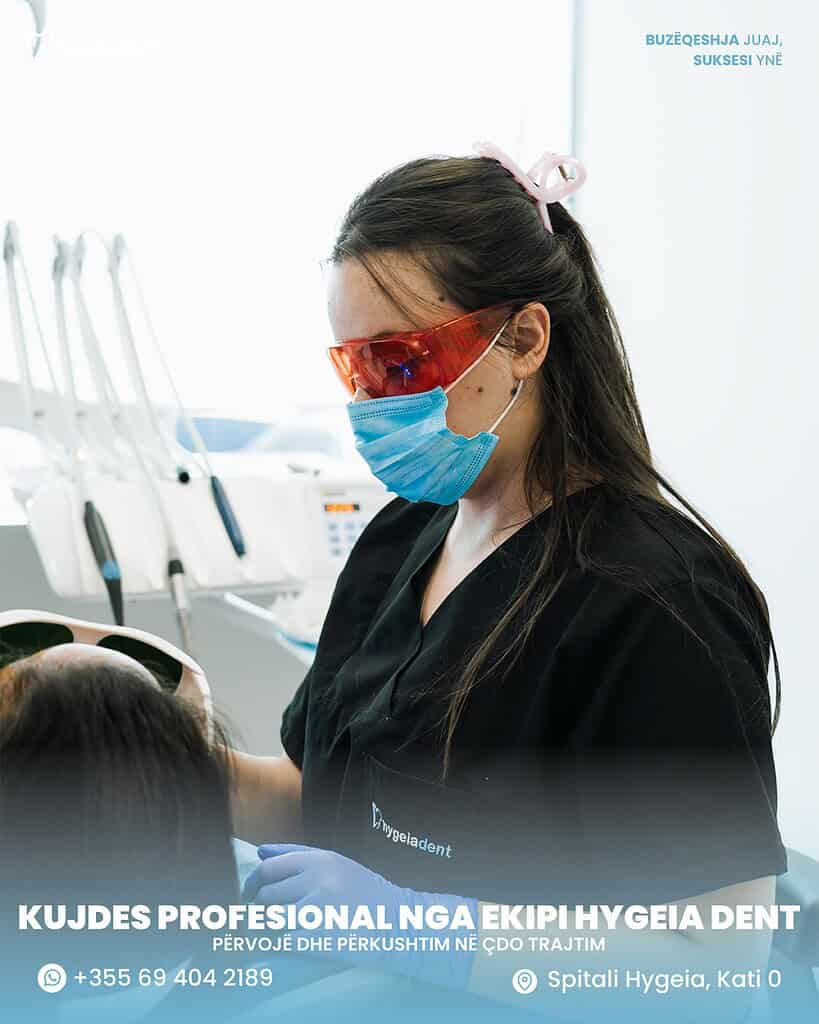
If you are considering travelling to Albania for treatment, information provided in advance and a realistic plan can help you organise your trip. At Hygeia Dent, dental care takes place within a modern private hospital, where patients have access to hospital care 24/7 during their stay.

Do Dental Implants Need Replacing Simply Because They Are Old?
No. The age of an implant alone is not a reason to remove it. An implant that is stable, functions well, and has healthy surrounding tissues can remain in use.
Over the years, the visible parts of the restoration may wear. A crown or bridge may develop cracks, while connecting components may require maintenance. These problems should be distinguished from damage to the implant itself.
If you are unhappy with the appearance of your existing teeth, request an assessment of the restoration. Sometimes, aesthetic or functional improvements can be achieved by replacing the parts above the implants without disturbing healthy implants.
Which Signs Mean You Should Arrange a Check-Up?
Changes around an implant deserve attention, even if you do not have severe pain. Some problems develop gradually and can be detected earlier during a check-up.
Contact your dentist if you notice:
- Movement in the crown, bridge, or implant area.
- Repeated bleeding during cleaning.
- Swollen or red gums.
- Pus, an unpleasant taste, or persistent bad breath.
- Discomfort when chewing.
- Gum recession or newly exposed metal components.
These signs do not establish a diagnosis on their own. For example, movement may be caused by a loose component or by loss of support around the implant. Your dentist needs to identify which part is moving and why.
A Loose Crown and a Mobile Implant: What Is the Difference?
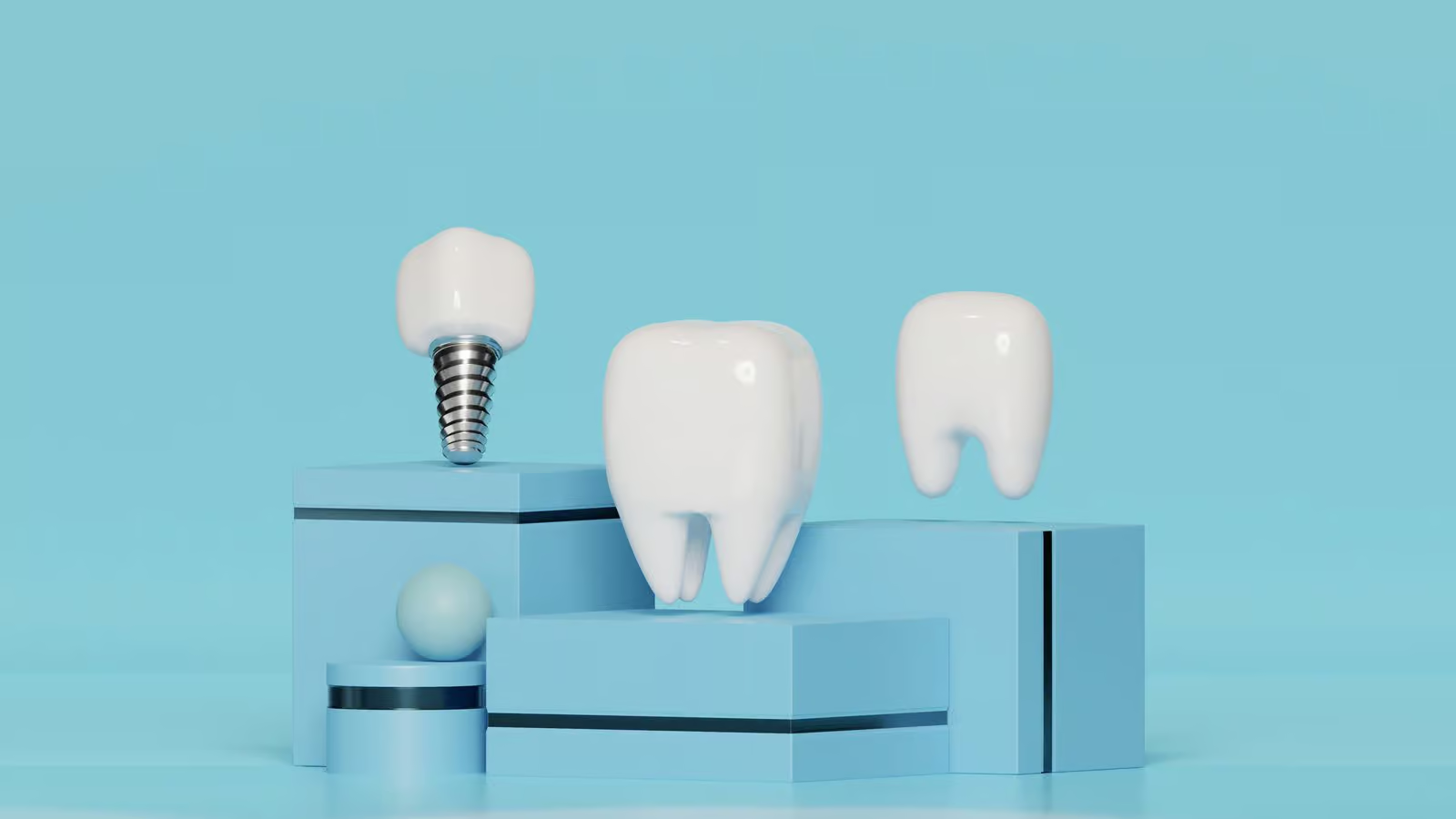
An implant restoration consists of several parts: the implant within the bone, the connecting component, and the crown or bridge visible in your mouth.
If a screw becomes loose or a crown comes off, it may feel as though “the implant is moving”. However, the implant within the bone may still be stable. Depending on the damage, treatment may involve repairing or replacing the affected part.
If the implant itself moves, a different assessment is needed. Do not repeatedly test it with your finger or tongue, and avoid chewing hard foods on it. Do not use household adhesives or attempt to tighten it yourself.
If a component comes off, keep it in a clean container and bring it to your consultation.
Why Can Problems Develop with Dental Implants?
Problems may involve initial healing, the surrounding tissues, or the restoration components. In some cases, the implant does not integrate with the bone after placement. In others, concerns arise after a long period of successful function.
Bacterial plaque accumulation, a history of periodontitis, and smoking are important risk factors for diseases around implants.
The assessment should also consider your bite, how easily the restoration can be cleaned, teeth clenching, and your overall health. Sometimes, several factors act together.
The purpose of the consultation is to understand how the problem developed. This helps guide treatment and improve conditions for future maintenance or restoration.
What Are Peri-Implant Mucositis and Peri-Implantitis?
Peri-implant mucositis is inflammation of the soft tissues around an implant without bone loss associated with the condition. It may cause redness, swelling, and bleeding during examination or cleaning.
Peri-implantitis involves inflammation and loss of the supporting bone. If it progresses, it can threaten the stability of the implant.
The distinction is made through a clinical examination and appropriate imaging. Bleeding does not automatically mean that the implant needs to be removed.
Early detection and treatment can improve the chances of controlling the disease. For this reason, do not wait until discomfort becomes severe before seeking help.
How Is a Damaged Implant Assessed?
The consultation begins with your treatment history: when the implant was placed, when the problem started, and whether previous repairs have been carried out.
Your dentist examines the restoration, surrounding tissues, bite, and stability of the components. X-rays help assess the bone. When additional information is needed, three-dimensional imaging may be recommended.
If you have older X-rays, bring them with you. Comparing them can help reveal whether changes have occurred.
Ask for a clear explanation of where the problem is, which parts can be preserved, and what each treatment option aims to achieve. A useful plan should distinguish between repairing the restoration, treating the tissues, and replacing the implant.
Can the Existing Implant Be Saved?
In some cases, yes. If the problem is mechanical, the crown, screw, or connecting component may be treated. If there is inflammation around the implant, professional treatment and improved cleaning may be recommended.
For peri-implantitis, the approach usually begins with non-surgical treatment and reassessment. If the response is insufficient, surgery may be needed, depending on the characteristics of the damage.
Preserving the implant should be supported by a reasonable prognosis. Ask what improvement is expected, how the outcome will be assessed, and what follow-up is required.
Do not consider antibiotics a complete solution to the problem. Your dentist decides whether they are indicated; treatment needs to address the underlying cause.
When Might Implant Removal Be Necessary?
Removal may be recommended when the implant has not integrated with the bone, has lost stability, or has damage that cannot be treated predictably.
The decision considers the condition of the bone, the implant’s position, the damage, and the options for restoring the area. Before the procedure, you should also understand what will happen to the teeth supported by it.
If the implant supports a bridge with several units, treatment may affect the entire restoration. Ask to discuss the complete plan, including a temporary solution and the next stages.
Removing a failed implant does not necessarily rule out another implant. The possibility depends on the cause of the failure and the conditions after treatment.
Can a New Implant Be Placed Immediately?
In selected cases, replacement during the same procedure may be considered. In other cases, it is more appropriate to allow healing or rebuild the area before placing a new implant.
The decision depends on the quantity and quality of the remaining bone, the condition of the tissues, infection, and the ability to achieve suitable stability.
If bone grafting is needed, treatment may take place in several stages. Timelines are determined after examination and may be revised according to healing.
Before travelling, avoid planning on the assumption that every replacement can be completed in one visit. A flexible plan makes arrangements easier.
What Happens to Your Smile During Treatment?
Ask about temporary teeth, particularly when the treated area is visible. The solution should suit the procedure and avoid placing inappropriate pressure on healing tissues.
Not every patient can receive the same temporary restoration. Your dentist should explain its appearance, function, and chewing restrictions.
If you have an existing denture, bring it to your consultation. The dentist can assess whether it can be adapted or whether an alternative is needed.
Clarifying this in advance helps you prepare for daily life during treatment, including eating, speaking, and work commitments.
What Should You Prepare for Treatment in Albania?
For an initial assessment, send the information you have and describe your concerns. Photographs can help provide initial guidance, but a final diagnosis requires an examination.
The most useful documents include:
- Your implant card or implant system details.
- Previous X-rays and reports.
- A summary of your original treatment.
- Your medication list and medical history.
- Information about any repairs already carried out.
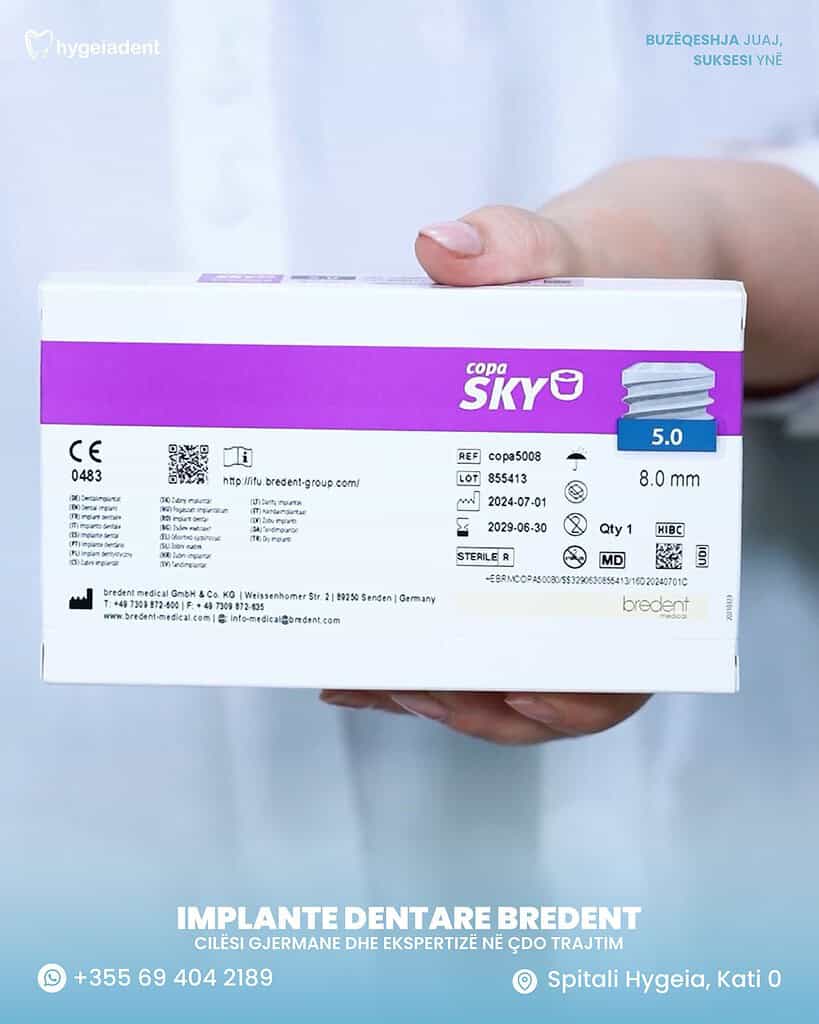
If you do not have the documentation, let us know in advance. Identifying the implant system and sourcing compatible components may affect treatment planning.
If you have spreading swelling, fever, or difficulty swallowing or breathing, seek urgent medical care where you are.
Support during your stay at Hygeia Dent
Treating a problem related to a previous procedure requires clear communication and an environment where you feel supported. Hygeia Dent is located within a modern private hospital, with access to hospital care 24 hours a day, 7 days a week.
Before travelling, clarify contact details, follow-up appointments, and the recommended length of stay. Access to hospital care complements dental treatment; the availability of the relevant team must be confirmed separately.
Request a written plan for continuing treatment after you return home. It should include oral hygiene instructions, documentation, and follow-up appointments.
A new plan to restore comfort and function
A problem with older dental implants may have several solutions. A thorough assessment helps you understand what can be preserved and which steps are necessary.
Contact Hygeia Dent to discuss damaged dental implants and treatment options in Albania. Share your documentation before travelling, so you can prepare with clear information and a personalised plan for your smile.