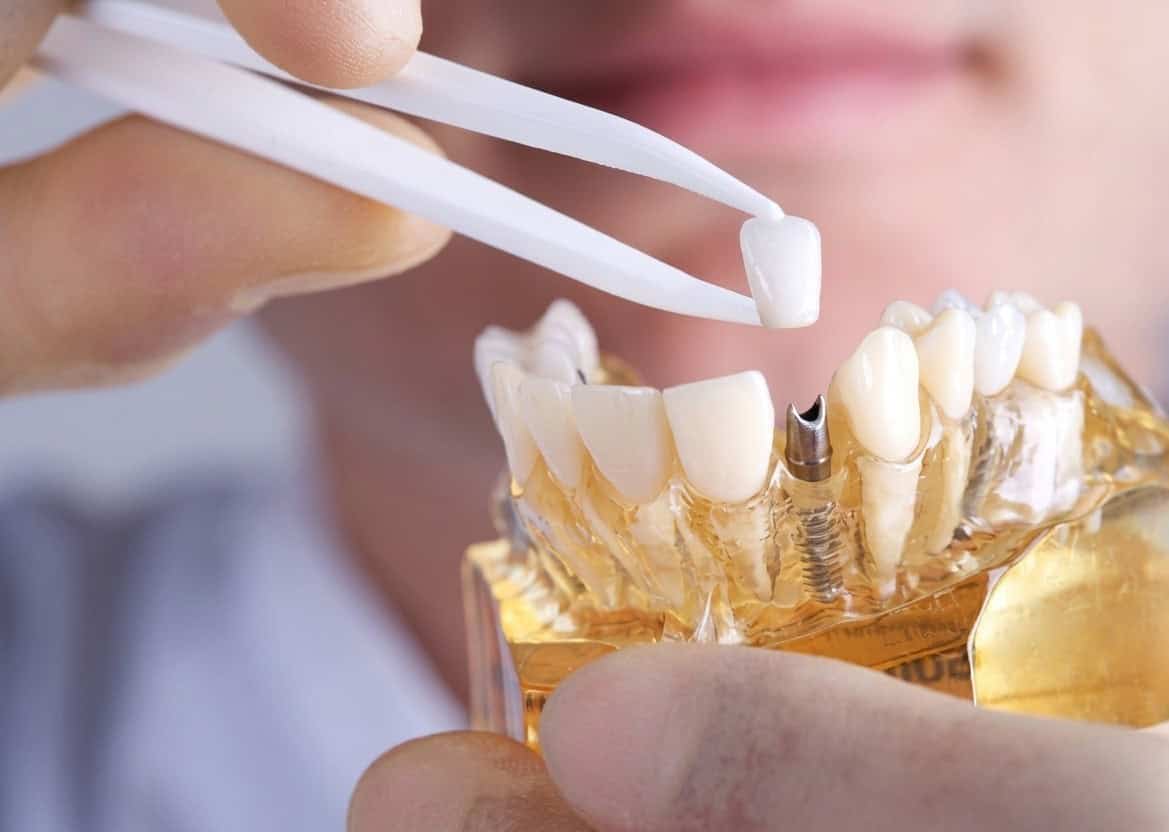
Yes, many patients with controlled diabetes or stable heart disease can receive dental implants following an individual assessment and coordination with their doctor when needed. A diagnosis does not automatically rule out treatment. What matters is your current health, the medications you take, your oral health, and a plan that provides suitable conditions for surgery and healing.
If you live with a chronic condition, it is understandable to wonder whether implants are an option for you. Perhaps you want to chew more comfortably, replace a removable denture, or restore missing teeth, but are concerned about recovery.
The first step is a consultation that considers both your dental needs and your overall health. At Hygeia Dent, treatment takes place within a modern private hospital, where patients have access to hospital care 24/7. For patients travelling to Albania, this setting offers additional support during their stay.
Can You Get Dental Implants If You Have Diabetes?
Diabetes does not automatically prevent you from receiving implants. However, how well it is controlled is an essential part of the assessment, because uncontrolled blood sugar levels can affect healing and increase the risk of infection.
Before treatment, your dentist needs to know which type of diabetes you have, how it is managed, and whether you have experienced any complications. Recent test results and information from your treating doctor may be required.
When diabetes is not adequately controlled, implant surgery is usually postponed until your condition improves. This allows treatment to be prepared under more favourable conditions.
If you are not currently ready for surgery, you can discuss the preparatory steps and temporary solutions for your missing teeth.
Why Might an HbA1c Test Be Required?
HbA1c helps show your average blood sugar level over approximately the previous two to three months. It therefore provides a broader picture than a single glucose measurement taken on the day of your consultation.
Your dentist may request your latest result and review it alongside your medical history. The assessment also considers glucose fluctuations, episodes of hypoglycaemia, your current treatment, and the condition of your mouth.
You should not rely on a single threshold found online to decide whether you can receive implants. Blood sugar targets and suitability for surgery are determined individually.
If you plan to travel for treatment, ask in advance how recent your test results need to be. This will help you prepare your documentation before departure.
Gum Health Is Part of the Preparation
Before implant treatment, it is important to examine your gums and treat any active periodontal disease. Bleeding when brushing, swelling, or loose teeth are reasons to arrange an examination.
Diabetes and periodontal disease have a two-way relationship. For this reason, oral care should be part of your overall health plan.
In some cases, professional cleaning, periodontal treatment, and improvements to your oral hygiene routine are needed first. After this stage, the team reassesses your suitability for implants.
This preparation also helps you in the long term: it teaches you how to keep the areas supporting your new teeth clean and how to recognise changes that require a check-up.
How Are Meals and Diabetes Medications Planned?
On the day of surgery, meals, medications, and glucose monitoring should be organised according to the team’s instructions. This is particularly important if you use insulin or medications that can cause hypoglycaemia.
Ask whether you can eat before treatment. Instructions vary depending on the anaesthesia and whether sedation will be used. Do not fast or change your medication dose on your own.
Soft foods may be recommended after surgery. Prepare options that also suit your diabetes management plan, so you can maintain adequate nutrition without putting pressure on the surgical area.
Bring your glucose meter or monitoring device and the supplies you normally use. Also discuss what you should do if discomfort after treatment prevents you from eating as usual.
Can You Get Dental Implants If You Have Heart Disease?
Many patients with cardiovascular disease can be considered for dental surgery. The decision depends on the specific diagnosis, the stability of the condition, symptoms, and medications.
Controlled high blood pressure, a heart valve condition, and a recent cardiac event require different assessments. This is why saying “I have heart disease” should be accompanied by the relevant medical documentation.
Tell your dentist if you have had a heart attack, heart surgery, a stent placed, an arrhythmia, or heart failure. Mention any recent changes in your condition and the date of your last check-up.
If you have new chest pain, unusual shortness of breath, or worsening symptoms, seek medical assessment before planning surgery. Dental implant treatment is elective and can wait when your health needs to take priority.
When Is Coordination with a Cardiologist Needed?
Coordination may be necessary when there is uncertainty about the stability of your condition, recent procedures, medications that affect bleeding, or a need for specific preventive measures.
A useful medical report should include your diagnosis, current treatment, and information relevant to the planned procedure. Your dentist, in turn, should explain the extent of the surgery, whether it includes tooth extractions or bone grafting, and which type of anaesthesia is planned.
This exchange of information helps make recommendations specific to your situation. Rather than relying on general approval, the team can determine the measures appropriate for your case.
If you live outside Albania, ask which documents are needed before travelling so that communication with your doctor can be arranged in good time.
What If You Take Blood Thinners?
Anticoagulants and antiplatelet medications are prescribed for various reasons, including preventing blood clots. Taking them does not automatically mean that implants are impossible.
Do not stop these medications on your own before dental treatment. Stopping them can have serious consequences, particularly for some patients with stents or mechanical heart valves.
Management depends on the medication, the extent of the surgery, and your individual risk. In some cases, medication continues without interruption; in others, specific instructions about timing or dosage may be needed, as determined by healthcare professionals.
Request written instructions. Provide a complete list of your medications and avoid adding painkillers, supplements, or other products without asking, as they may affect bleeding or interact with your treatment.
Are antibiotics necessary for heart disease?
Not every patient with heart disease needs preventive antibiotics. This decision depends on the risk of infective endocarditis and the type of procedure.
Some patients, such as those with prosthetic heart valves or a history of endocarditis, may need specific measures. European guidelines recommend antibiotic prophylaxis for implant placement in patients at high risk of endocarditis.
Your dentist and cardiologist will determine whether this applies to you. Do not use antibiotics left over from previous treatment or choose the medication or dose yourself.
Always disclose any allergies and previous reactions to antibiotics. This information should be clear before the day of surgery.
What Does an Implant Consultation at Hygeia Dent Include?
The consultation is an opportunity to understand whether implants suit your situation and what preparation is needed. Your dental assessment and medical assessment should be considered together.
Prepare:
- A list of your medications, including doses and timing.
- Recent reports from your treating doctor.
- Any test results requested in advance.
- Information about allergies and previous procedures.
- Any dental X-rays or records you have.
Also mention smoking, previous healing problems, and any treatment for osteoporosis.
Write down your questions before the consultation. It is easier to make a decision when you understand the stages, alternatives, and care you will need at home.
Hospital Care 24/7 During Your Stay in Albania
For a patient with diabetes or heart disease, the treatment setting has practical importance. Hygeia Dent is located within a modern private hospital, with access to hospital care 24/7.
This support can provide greater peace of mind during your stay. However, assessment beforehand and stabilisation of your condition remain necessary.
Ask how additional consultations are arranged when recommended and which contact you should use if you have a concern. The availability of particular specialists and dental check-ups should be clarified separately.
This way, before surgery, you will know where you will receive treatment, who will oversee your care, and how to seek help.
How Should You Care for Your Implants After Returning Home?
After treatment, follow the instructions for cleaning, eating, and follow-up appointments. If you have diabetes, continue monitoring according to your doctor’s plan and contact the team if you have difficulty eating or unusual readings.
Good oral hygiene, diabetes control, avoiding smoking, and maintenance visits are all part of preventing problems around implants.
Before leaving, obtain your treatment summary, implant details, and follow-up plan. Clarify which appointments will take place in Albania and how your dentist in your home country can coordinate your care.
The First Step Towards Suitable Treatment
Living with diabetes or heart disease does not mean giving up on improving your smile. It means that treatment needs to be tailored to your health and individual needs.
Contact Hygeia Dent to discuss the possibility of dental implants in Albania. Share your medical history and documentation before travelling so you can plan your next steps with clear information, realistic expectations, and greater confidence.