


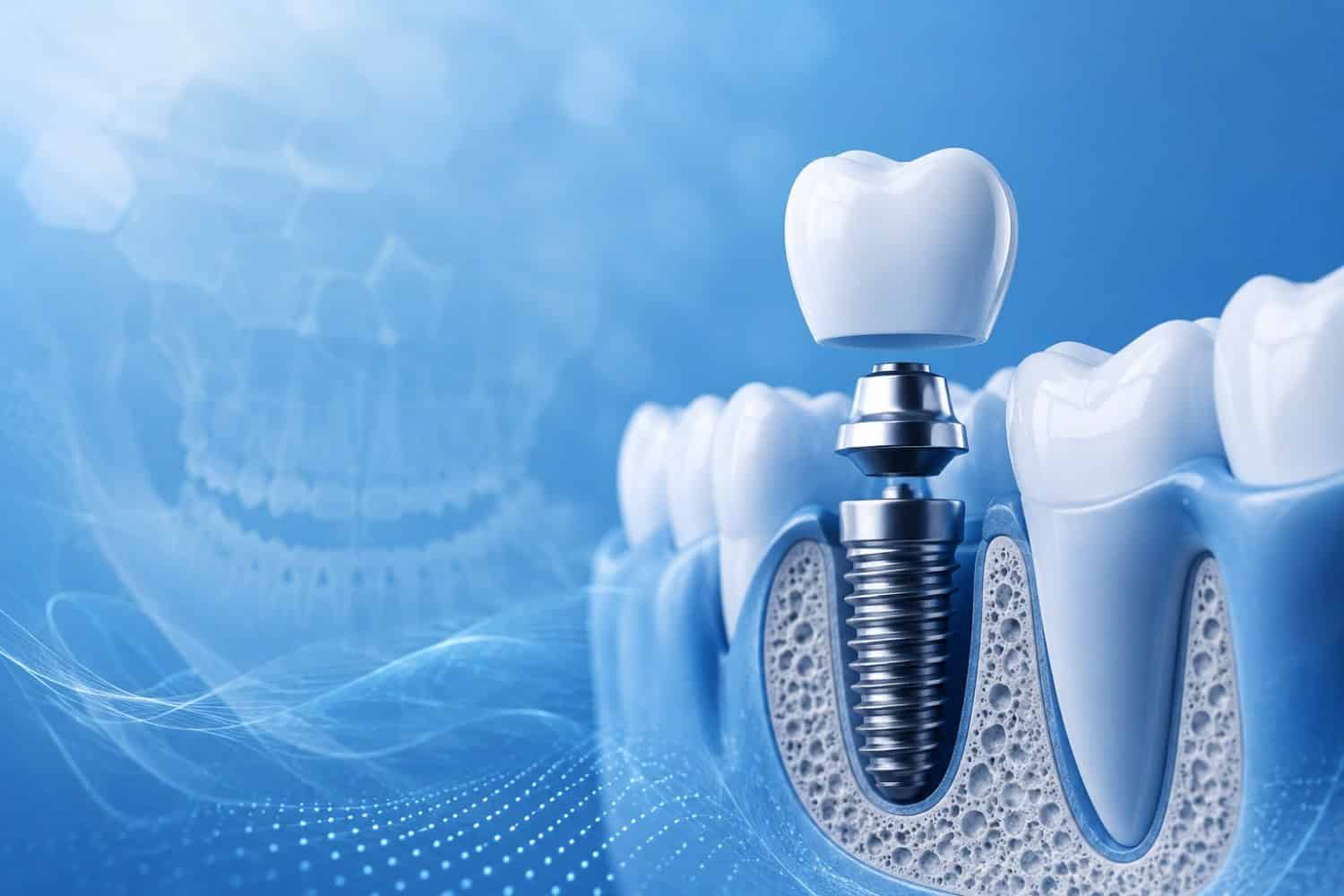
Many patients who are considering dental implants find out during their consultation that they don't have enough bone to support the implant securely. This may sound worrying at first, but it doesn't mean implants are impossible. One of the most common solutions is bone grafting, a procedure that helps to rebuild or strengthen bone in areas where there isn't enough for implant placement. But when is a bone graft really necessary? Is it essential for every patient who has bone loss?
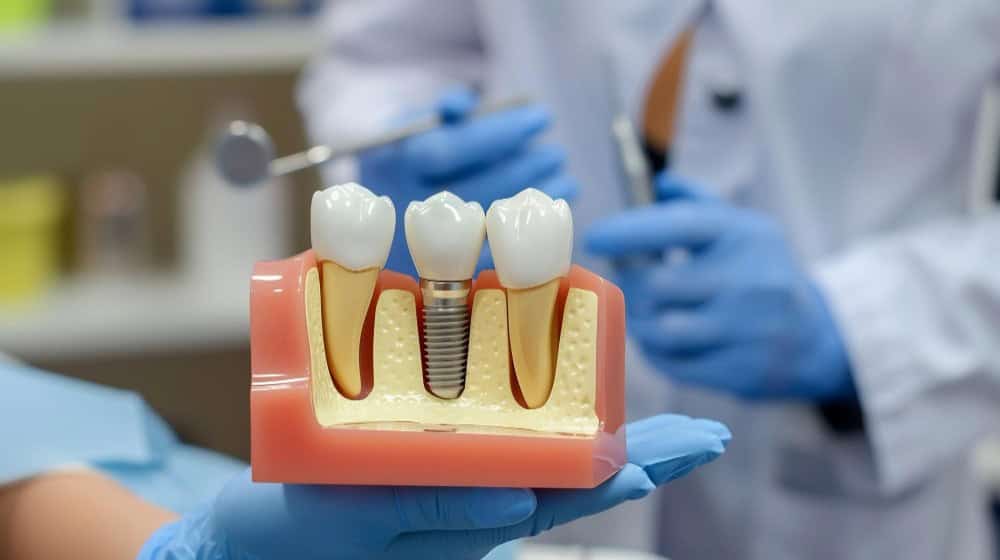
After tooth loss, bone is lost because the jawbone no longer has the stimulation of the tooth roots. The act of chewing transmits forces through the tooth roots to the jawbone, which helps to maintain bone density. When a tooth is lost, this stimulation is absent, and the bone in that area begins to resorb, or break down. This is a natural process; the body reabsorbs bone that is no longer being used.
The jawbone and mandible require continuous stimulation to maintain their volume and strength. When teeth are present, their roots transmit chewing pressure to the bone. This stimulation helps the bone remain active and stable.
When a tooth is lost, the root is no longer present to stimulate the bone. As a result, the bone in that area gradually begins to shrink. This process is called bone resorption and can happen slowly but continuously, especially if the tooth has been missing for many years.
Bone loss can also occur for other reasons, such as gum disease, old infections, difficult tooth extractions, trauma, or prolonged use of dentures. In some patients, the bone may naturally be thinner or lower in some areas of the mouth.
Why is bone so important for dental implants?
The dental implant functions like an artificial root that is inserted into the bone. To be stable, it needs to have enough bone around it. If the bone is too thin, too short, or not strong enough, the implant may not have the necessary stability.
Initial stability is very important when placing the implant. Subsequently, during the healing period, the implant must integrate with the bone through a natural process. If the bone base is insufficient, this process can be more difficult and the risk of complications may increase.
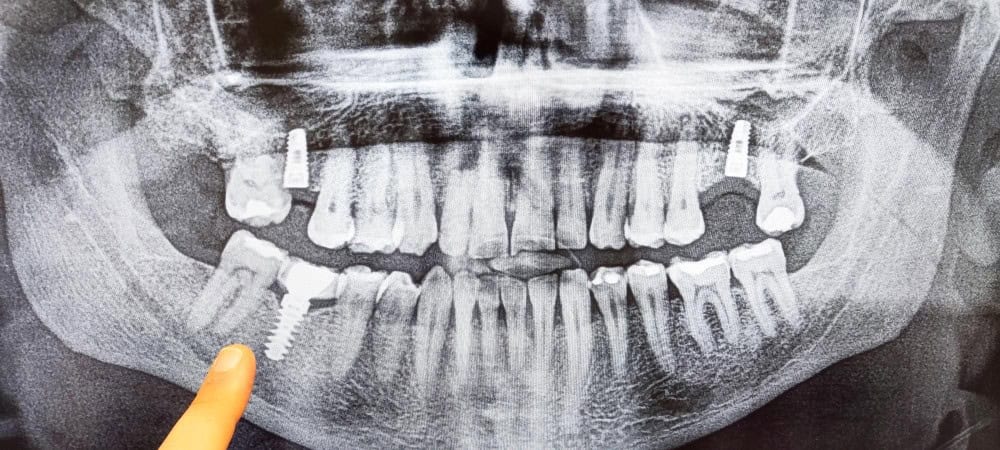
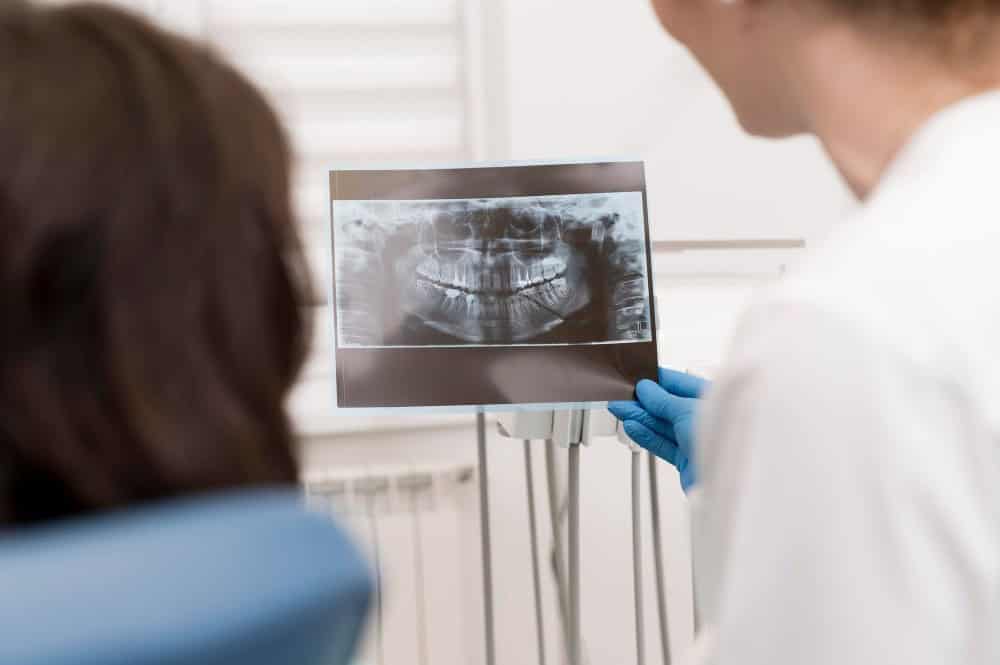
For this reason, before implant placement, the dentist must assess not only the space where the tooth is missing, but also the quality, width, and height of the bone. This assessment is not just done by eye. A panoramic X-ray or a 3D dental scan is usually necessary to accurately understand the condition of the maxilla and mandible.
Cos'è un innesto osseo?
Bone grafting is a procedure used to augment or reconstruct bone in areas where it is deficient. The aim is to create a better foundation for the placement of dental implants. Depending on the case, the bone material can be applied before the implant or at the same time as the implant.
The material used for bone grafting can be of various types. In some cases, the patient's own bone is used, while in others, biocompatible materials are used that help the body create new bone. The doctor chooses the most suitable method based on the need, the area to be treated, and the amount of bone missing.
It is important to understand that bone grafting is not simply a “filling” of a space. It is a biological process that takes time. The material is placed in the correct area and then the body begins to gradually integrate it, creating a more stable structure for the implant.
A bone graft is necessary when there is a bone defect or loss that needs to be repaired. This can happen for a variety of reasons, including: * **Trauma:** Fractures or injuries that result in significant bone loss. * **Infection:** Bone infections (osteomyelitis) can destroy bone tissue, requiring replacement. * **Tumours:** Removal of bone tumours can leave a defect that needs grafting. * **Congenital defects:** Birth defects that result in missing or malformed bone segments. * **Degenerative diseases:** Conditions like osteoporosis can weaken bones, sometimes leading to fractures that require grafting. * **Dental procedures:** In dentistry, bone grafts are often used in procedures like dental implants to augment the jawbone, or to repair bone loss due to gum disease or tooth extraction. * **Spinal fusion:** In spinal surgery, bone grafts are used to fuse vertebrae together, stabilising the spine.
Bone grafting is necessary when the existing bone is insufficient to securely support the implant. This can happen when a tooth has been missing for many years and the bone has shrunk, when there has been a previous infection, or when the patient suffers from periodontal disease which has damaged the supporting structure of the teeth.
In the upper jaw, a bone graft may be necessary when the area near the maxillary sinuses does not have sufficient height for implant placement. In these cases, a procedure called a sinus lift may be recommended, which creates more bone space for implants in the posterior part of the upper jaw.
In the lower jaw, the problem can be related to the proximity of the mandibular nerve. If the bone above the nerve is not high enough, implant placement needs to be planned with great care. A bone graft is sometimes necessary, while in other cases shorter implants or other customised techniques can be used.
Grafting may also be necessary when the patient desires a very aesthetic result, especially in the front of the mouth. In these cases, it is not enough for the implant to be functional. The bone must also support the gums and the natural shape of the smile.
Is a bone graft always necessary when there is a lack of bone?
No, not every patient with insufficient bone necessarily requires a bone graft. This is precisely why an accurate diagnosis is very important. In some cases, the doctor can place the implant in a suitable position without needing to augment the bone.
Modern technology in implantology offers various alternatives. For example, shorter implants, smaller diameter implants, or angled insertion techniques can be used, depending on the patient's anatomy. In treatments like All on 4, implants can be strategically positioned to take advantage of areas where the bone is strongest.
However, these alternatives are not suitable for every case. They require careful planning and clinical experience. The goal is not simply to avoid bone grafting, but to choose the safest and most durable method for the patient.
How does the doctor decide if a bone graft is needed?
The decision is made after a comprehensive assessment. The dentist examines the state of the mouth, the gums, the areas where teeth are missing, and how the upper and lower teeth bite together. Then, through dental imaging, the quantity and quality of the bone are evaluated.
The 3D dental scanner is very important in these cases, as it accurately shows the dimensions of the bone. It helps the doctor to see if there is sufficient width and height for the implant, where the nerves are located, how close the maxillary sinuses are, and if there are any areas with significant bone loss.
Only after this assessment can a clear plan be created. In some cases, the dentist may recommend direct implant placement. In other cases, they may recommend a bone graft before the implant or during the same appointment.
Can bone grafting and implants be done on the same day?
In some cases, yes. If the bone loss is mild or moderate, the doctor can insert the implant and bone material in the same session. This can reduce the total treatment time and make the process more practical for the patient.
However, when bone loss is more significant, it may be safer to perform the graft as a separate procedure. In this case, the patient must wait a few months for the bone to heal and become suitable for the implant. Only then is the dental implant inserted.
This decision depends on the stability that can be achieved during the procedure, the area to be treated, and the patient's general oral health. A faster treatment is not always the best treatment. In implantology, safety and long-term stability are more important than speed.
How long does healing take after a bone graft?
The healing time after bone grafting varies from patient to patient. In simpler cases, the process can take a few months. In more complex cases, especially when a more extensive bone reconstruction has been performed, it may take longer.
During this period, the body works to integrate the bone material and create a stronger base. The patient must carefully follow the doctor's instructions, maintain good oral hygiene, and avoid factors that can slow down healing.
Smoking, poor oral hygiene, untreated infections, and certain health problems can negatively affect the process. For this reason, the doctor may request preliminary treatments or changes in habits before proceeding with implants.
Is bone grafting painful?
The procedure is performed under local anaesthetic, so the patient should not feel any pain during the treatment. Following the procedure, a small amount of swelling, tenderness or discomfort may occur for a few days, but these symptoms are usually managed with medication and the advice given by the doctor.
Many patients imagine bone grafting as a very arduous procedure, but in reality, in many dental cases, it's a common part of implant planning. Of course, the level of discomfort depends on the extent of the procedure and the patient's individual reaction.
The most important thing is that the patient follows the instructions after the operation. Soft foods, careful oral hygiene, and avoiding pressure on the treated area will help ensure a smoother recovery.
What happens if a bone graft is not performed when it is necessary?
If the implant is placed in an area with insufficient bone, there may be a greater risk of problems. The implant might not have the correct stability, it might not integrate well, or complications could arise with the gums and surrounding structures.
In some cases, the result might not be aesthetically pleasing, particularly in visible smile areas. If the bone does not support the gums correctly, the implant tooth may appear longer, less natural, or out of harmony with the rest of the smile.
For this reason, bone grafting should not be seen as an unnecessary additional procedure, but as a step that is sometimes essential for the success of the treatment. When recommended by the dentist after a thorough evaluation, it can help increase the safety and longevity of dental implants.
Frequently asked questions
Can I have dental implants if I have little bone?
Yes, in many cases it is possible. Based on the quantity and quality of the bone, the dentist can recommend a bone graft, a sinus lift, special implants, or other advanced techniques. The decision is made after a comprehensive evaluation and a 3D dental scan.
Bone grafting is essential when there is insufficient bone to support dental implants, or when the existing bone has been lost due to periodontal disease or trauma. It is also used to reconstruct bone defects following tumour removal or congenital conditions.
Bone grafting is essential when the bone lacks sufficient width, height or strength to securely support an implant. This often happens when teeth have been missing for many years, when there has been an infection, or when gum disease has damaged the bone.
How long should I wait after a bone graft before having an implant placed?
The waiting time varies depending on the case. In some situations, the implant can be inserted on the same day as the bone graft. In other cases, you need to wait a few months for the bone to heal and be ready for the implant.
Does bone grafting hurt?
Local anaesthetic is used during the procedure, so you should not feel any pain during the treatment. Some discomfort, swelling or tenderness may occur after the procedure, but these symptoms are usually managed with the care and medication recommended by your doctor.
Is implant treatment longer if a bone graft is needed?
Yes, in most cases, bone grafting can lengthen treatment because the bone needs time to heal. However, this wait is often necessary to achieve a safer and more long-lasting result.






 English
  Italian
  Albanian
  Spanish
  German