


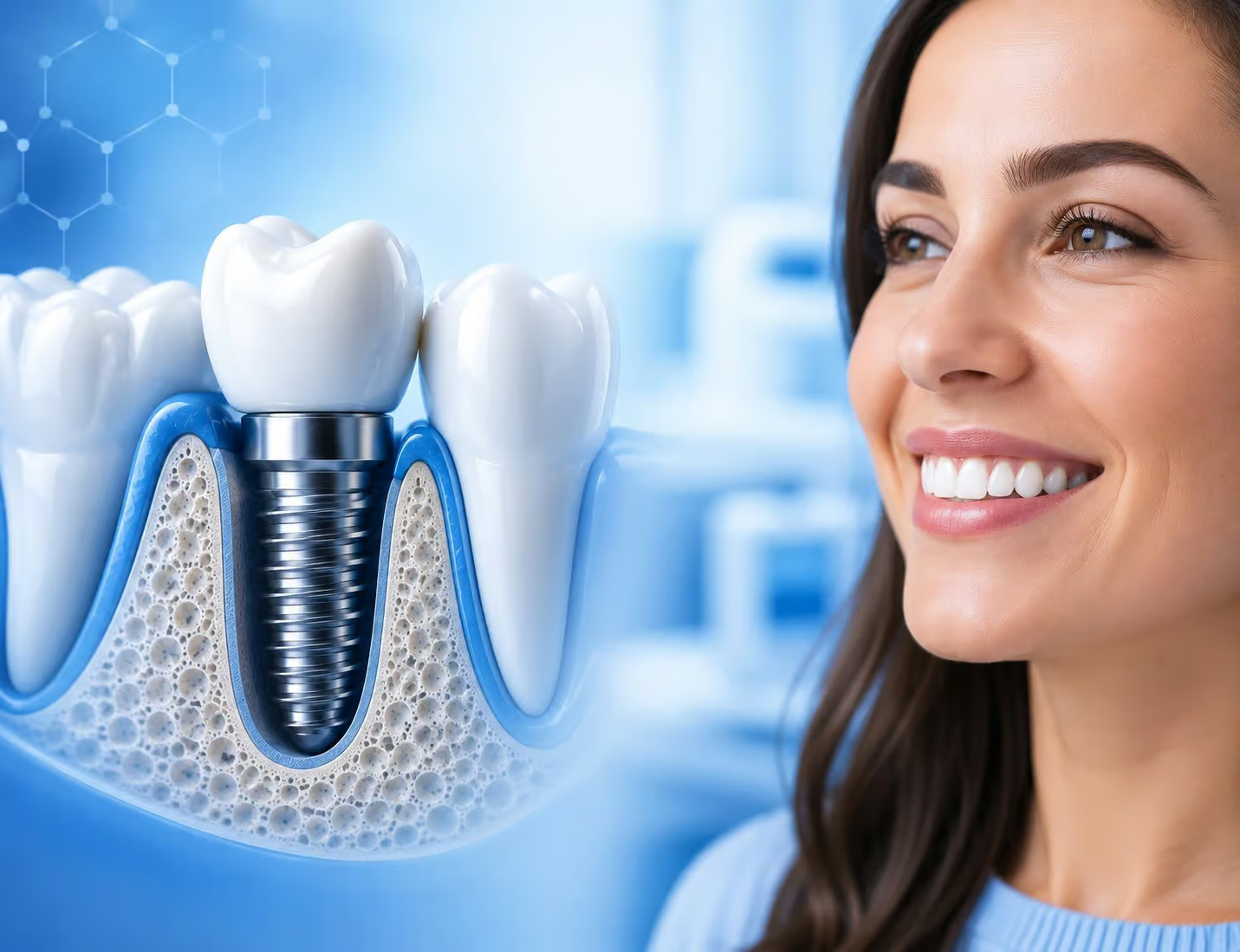
One of the questions patients often ask is: why do some dental implants fail? Although failure is not common when the treatment is carried out professionally, it can still occur in some cases. The causes can be related to the state of the bone, infections, gum disease, patient habits, general health, or lack of care after treatment. In this article, we will explore the causes, signs, and tips to ensure the success of dental implants.
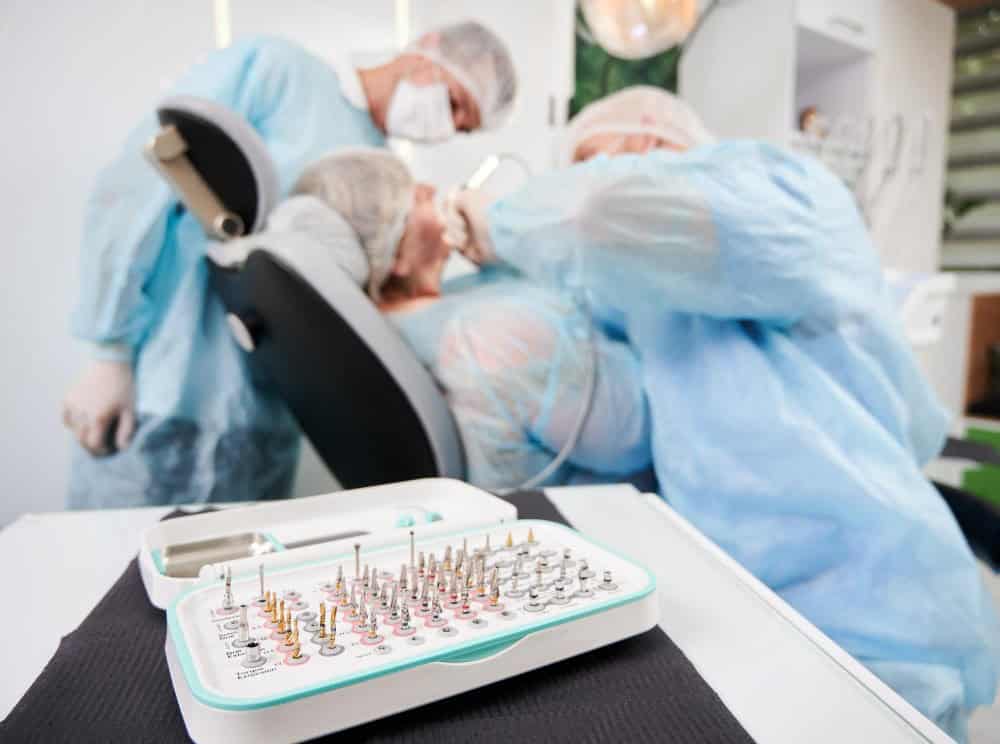
What does it mean when a dental implant fails?
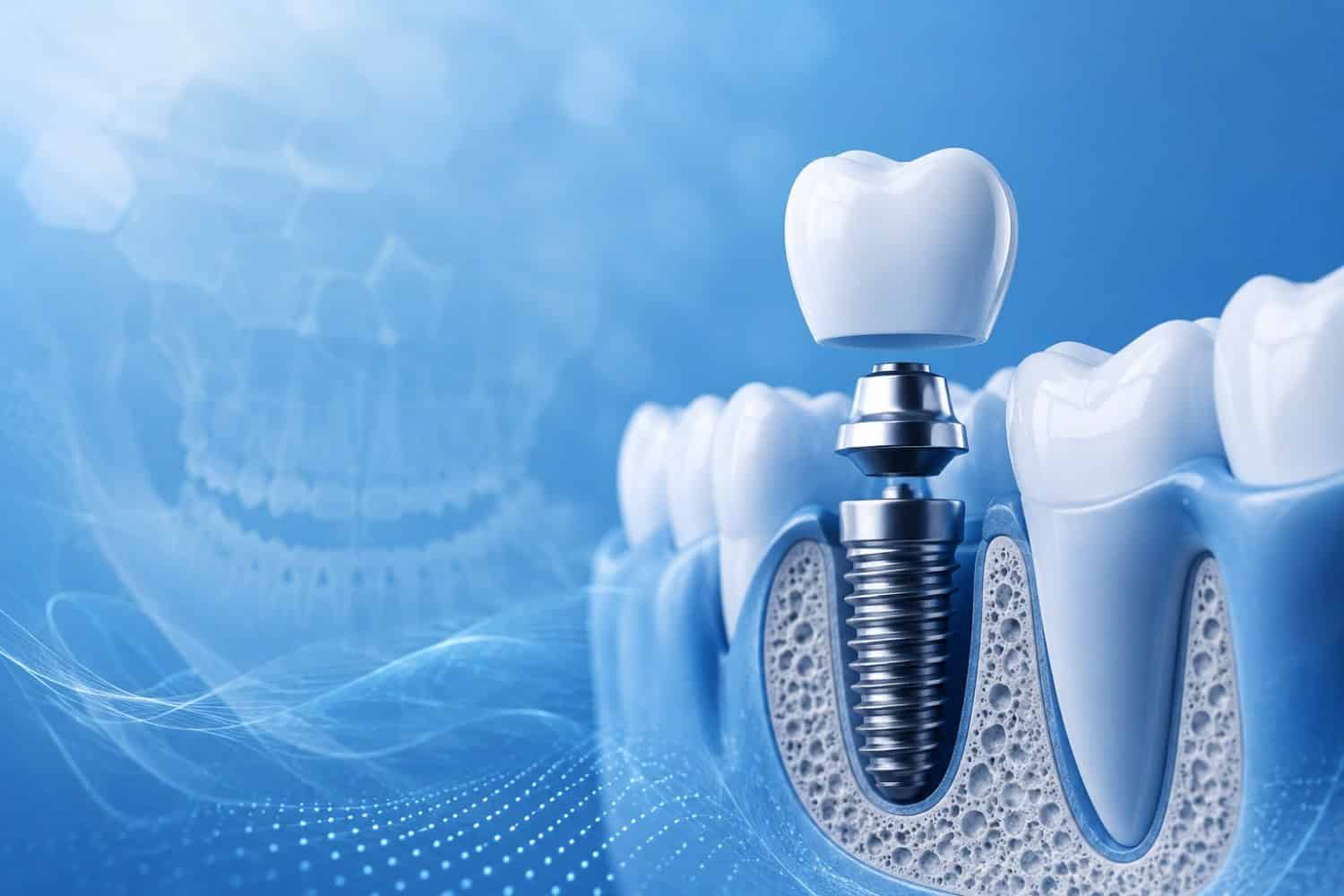
A dental implant is considered a failure when it fails to integrate properly with the bone or when it loses stability after a certain period of time. The implant must naturally join with the bone through a process called osseointegration. This process is essential because it creates the solid base on which the crown, bridge, or fixed prosthesis is applied.
Failure can occur early, a few weeks or months after implant insertion, when osseointegration does not occur correctly. It can also occur later, after several months or years, usually due to infections, overloading during mastication, or poor oral hygiene.
It is important to understand that not every discomfort after the implant insertion means failure. Mild swelling, tenderness, and discomfort in the first few days can be part of the normal healing process. The problem begins when the pain worsens, the implant moves, the gums become inflamed, or signs of infection appear.
The main reasons why dental implants can fail
One of the main causes of implant failure is a lack of sufficient bone. The implant needs a solid base to be inserted and to integrate. If the patient has had missing teeth for many years, the bone may have reduced and might not offer the necessary support.
In some cases, the problem is linked to infections present before or after the implant insertion. If a damaged tooth had a deep infection, or if the gums are affected by periodontal disease, the area must be treated carefully before implant insertion. Inserting an implant into an unhealthy environment can increase the risk of complications.
Another cause is excessive load on the implant. This can happen when the patient grinds their teeth, clenches their jaw at night, or when the bite is not balanced correctly. If the pressure is distributed incorrectly, the implant can weaken or lose stability over time.
Smoking is also an important risk factor. It affects blood circulation, slows healing, and increases the chance of infection. Patients who smoke heavily may have a higher risk of problems after the implants are inserted.
Certain health conditions can also affect the success of the treatment. Uncontrolled diabetes, immune system problems, certain medications, or chronic illnesses can impact healing. For this reason, a medical evaluation before treatment is very important.
Infection around the implant: one of the most common risks
One of the best-known problems that can affect dental implants is peri-implantitis. This is an inflammation or infection that affects the tissues around the implant. If left untreated, it can damage the bone supporting the implant and lead to its loss.
Peri-implantitis is often linked to poor oral hygiene, the accumulation of plaque, and a lack of regular check-ups. Patients may think that, since the implant isn't a natural tooth, it doesn't need the same care. In reality, implants require a great deal of attention because the gums and bone surrounding them must remain healthy.
Signs may include red gums, bleeding during brushing, swelling, bad breath, discharge, or a feeling of movement in the implant. The sooner the problem is identified, the greater the chances of treating it without losing the implant.
Signs that may indicate a problem with the system
After the implant has been placed, the patient must pay attention to any changes that occur in their mouth. Mild pain in the first few days can be normal, but pain that does not improve or gets worse over time should be checked by the doctor.
Another important signal is the movement of the implant. The implant must be stable. If the patient feels it moving, they should not ignore it. Movement can indicate that the implant has not integrated well with the bone or that it has lost support due to another problem.
Persistent gum inflammation, bleeding, pus, a bad taste in the mouth, or difficulty chewing are also signs that require attention. In some cases, the patient may not experience severe pain, but there could be a gradual loss of bone around the implant. This is why regular check-ups are so important.

How can dental implant failure be prevented?
Prevention begins before implant placement. The first step is an accurate diagnosis. The doctor must assess the condition of the patient's teeth, gums, bone, and general health. Dental imaging, such as a 3D scanner, helps to plan implant placement and avoid complications.
If there are infections, gum disease, or teeth requiring treatment, these issues must be managed before or during the implant plan. Implant placement should not be viewed as an isolated procedure, but rather as part of a complete oral rehabilitation.
After the implant has been placed, the patient must carefully follow the doctor's instructions. Oral hygiene is fundamental. Brushing teeth regularly, cleaning the spaces between teeth, and attending professional check-ups help to maintain healthy gums.
If the patient grinds their teeth at night, the dentist may recommend a night guard. This helps to reduce pressure on the implants and dental restorations. If the patient smokes, reducing or stopping smoking can significantly improve the healing process and the longevity of the implants.
The importance of treatment in a hospital setting
A significant advantage of Hygeia Dent is that the clinic is located within a private hospital in Albania. This offers a higher level of safety for patients, especially for those with pre-existing health conditions or requiring more complex treatments.
Patients have access to 24/7 monitoring and other medical services, if required. This is particularly important for international patients who wish to feel secure during their stay in Albania for dental treatment.
When implantology is combined with comprehensive medical support, planning becomes more thorough and the patient feels more protected. This doesn't mean every case is complicated, but it does mean that if the need for further evaluation arises, the patient isn't left to an isolated dental service.
What happens if a plant fails?
If an implant fails, it doesn't necessarily mean that the patient can no longer have implants. In many cases, the implant can be removed, the area can be treated, and after a healing period, a new implant can be planned.
The doctor must understand the cause of the failure before proceeding with another treatment. If the cause was an infection, it must be treated. If the cause was lack of bone, a bone graft may be necessary. If the problem was excessive loading, the bite must be corrected or measures taken for teeth grinding.
So, even in case of failure, there are solutions. The most important thing is not to delay checking and not to try to “put up with” the problem for too long.
Conclusion
Dental implants have excellent chances of success when they are correctly planned, safely placed, and carefully maintained. Implant failure can occur for various reasons, such as a lack of bone, infections, poor hygiene, smoking, bite problems, or general health conditions.
The good news is that many of these risks can be prevented with accurate diagnosis, personalised planning, and regular check-ups. At Hygeia Dent, patients are treated in a hospital environment, with access to 24/7 monitoring and comprehensive medical services, offering greater safety throughout the treatment journey.
If you are considering dental implants in Albania, don't just focus on the price or the speed of treatment. Choose a clinic that carefully assesses your case, explains the risks, and prioritises your oral and general health. A successful implant doesn't just begin on the day of surgery, but from the moment the right plan is created.
Frequently asked questions
Is it normal to have pain after implant placement?
Some pain, sensitivity or swelling in the first few days can be normal. However, if the pain worsens, lasts for a long time, or is accompanied by significant swelling, pus, or fever, you should contact your doctor.
How do I know if my dental implant is failing?
The signs can include implant movement, persistent pain, gum inflammation, bleeding, pus, bad breath, or difficulty chewing. Any unusual changes should be checked as soon as possible.
Can a prosthesis with an infection be saved?
In some cases, yes, especially if the infection is detected early. Treatment can include professional cleaning, gum therapy, medication, or other procedures. If the damage is extensive, the implant may need to be removed.
Can I have an implant again if one fails?
In many cases, yes. The area must be assessed and treated before inserting a new implant. Sometimes, a bone graft or a different treatment plan may be necessary.
Does smoking affect the success of dental implants?
Yes, smoking can slow down the healing process and increase the risk of infection. Patients who smoke should discuss this with their doctor before treatment so that they can receive the right advice on how to reduce the risk.



 English
  Italian
  Albanian
  Spanish
  German