



For anyone who has been putting off major dental work because of the cost at home, the idea of combining treatment with a trip abroad sounds appealing in theory. In practice, though, the planning side of things can feel overwhelming. How many trips will you need? How far in advance do you book? What happens if something goes wrong after you fly home? What do you actually do between appointments?
These are exactly the right questions to be asking, and the good news is that dental tourism to Albania in 2026 is more straightforward than most people expect. The process is well-established, the logistics are manageable, and thousands of patients from across Europe make the journey every year with results they are genuinely happy about. This guide walks you through every stage of the process, from your first online search to sitting on the plane home with a smile that cost a fraction of what it would have at home.

Start Earlier Than You Think You Need To
The single most common mistake first-time dental tourists make is underestimating the lead time involved. If you are considering treatment that involves implants, crowns, or any kind of full mouth rehabilitation, you are not booking a haircut. You are planning a medical procedure that requires proper preparation, and that preparation takes time.
Ideally, you want to begin the process at least two to three months before you intend to travel. This gives you time to gather your existing dental records and X-rays, reach out to clinics for remote consultations, compare treatment plans and pricing, ask follow-up questions, and make a considered decision without feeling rushed. Rushing this stage is where patients sometimes end up with a clinic they are not fully confident in, simply because they left themselves no time to be thorough.
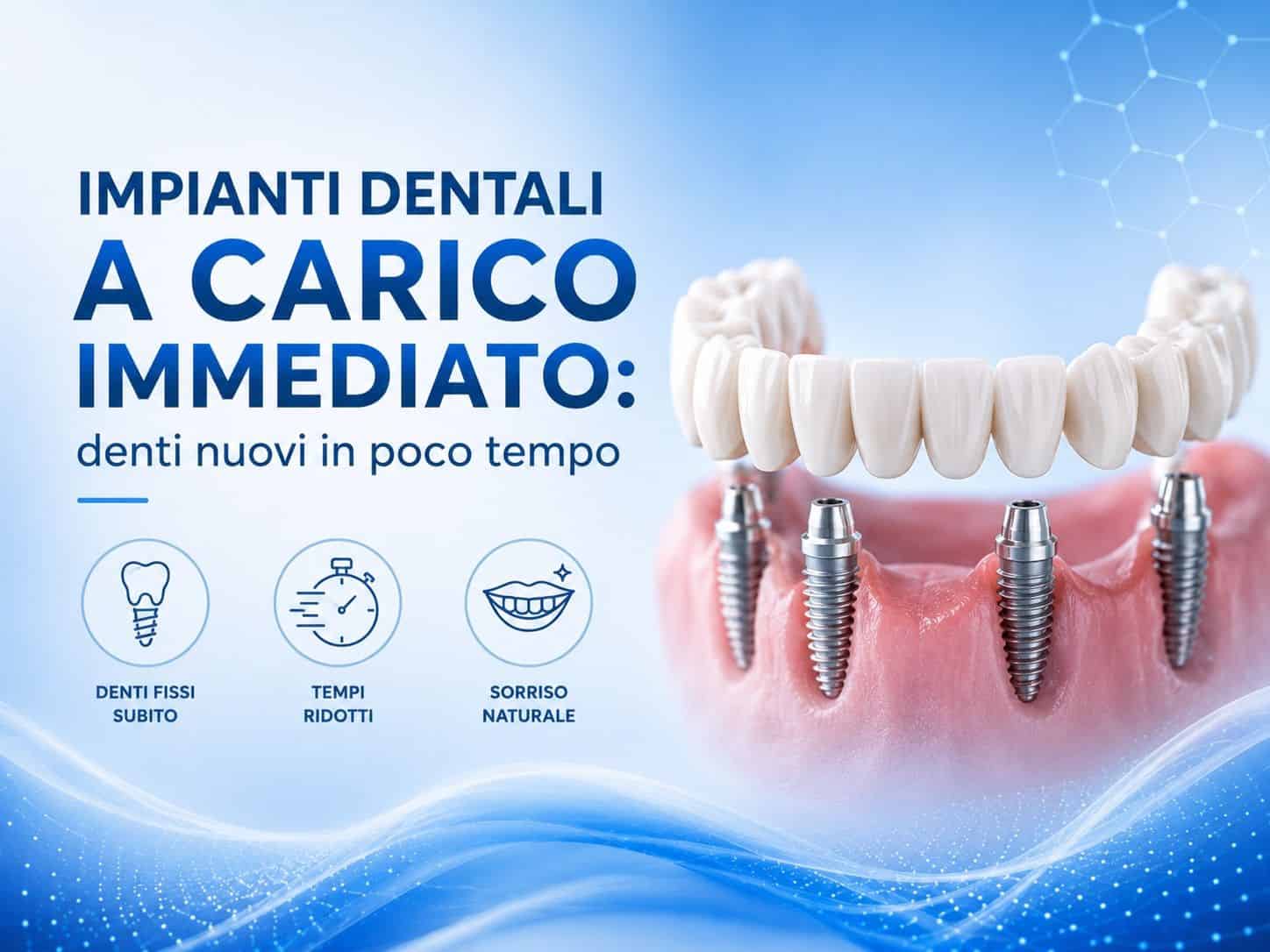
If your treatment involves implants specifically, be aware that the full process typically takes place across two separate trips. The first visit covers the implant placement surgery and any preparatory work such as extractions or bone grafting if required. The second visit, usually three to six months later, covers the fitting of the final crowns or prosthetics once the implants have fully integrated with the bone. Planning for this from the start means you can schedule both trips in advance and avoid surprises.
Your Remote Consultation Is the Starting Point
Before you book a flight or commit to anything, your first concrete step should be a remote consultation with your chosen clinic. At Hygeia Dent, this is free and carries no obligation whatsoever. You share your existing dental records, recent X-rays if you have them, or simply photographs of your current situation, and receive a detailed assessment of your treatment needs along with a full written quote.
This stage serves several important purposes. It gives you a clear picture of exactly what treatment you need and why. It allows you to ask questions and get honest answers before any money changes hands. It gives you a realistic sense of the timeline and how many visits your treatment will require. And it allows you to assess the clinic itself — how responsive they are, how thoroughly they explain things, and whether you feel confident in their approach.
Do not skip this step or treat it as a formality. The quality of your remote consultation tells you a great deal about the quality of care you will receive in person. A clinic that takes the time to give you a thorough, personalised response to your enquiry is demonstrating exactly the attitude you want from the people who will be treating you.
Getting to Tirana Is Easier Than You Might Expect
One of the practical advantages of Albania as a dental tourism destination is its accessibility. Tirana's Mother Teresa International Airport is served by direct flights from a growing number of European cities, including Rome, Milan, London, Vienna, Zurich, Frankfurt, Madrid, and many others. Flight times from most Western European cities are between one and three hours, making Albania one of the more convenient destinations available.
Flight prices are generally reasonable, particularly if you book in advance and travel outside peak summer months. For patients from Italy, the journey is especially straightforward — some routes take little more than an hour. For patients from further afield, a one-stop connection is usually the worst case scenario, and total travel time remains very manageable.
Once you arrive in Tirana, getting around is simple. The city is compact, taxis and ride-sharing apps are widely available, and the clinic can typically advise on the most convenient accommodation options nearby. Many international patients find that combining their dental trip with a few extra days to explore Tirana and the surrounding area makes the whole experience considerably more enjoyable — and Albania has far more to offer as a destination than most visitors anticipate before they arrive.

Planning Your First Trip: What to Expect on the Ground
Your first visit to Albania for dental treatment will typically span between three and seven days, depending on the complexity of your treatment plan. For straightforward cases — a few crowns, veneers, or a single implant — the timeline can be quite compact. For more involved treatment such as full arch rehabilitation or multiple implants, the first visit may be longer to allow for adequate healing time before you fly home.
Your clinic will map out your appointment schedule in advance so you know exactly when you need to be available and how much free time you will have between appointments. This is worth paying attention to when you plan the rest of your trip. Many patients find that the days between appointments are a genuine highlight — time to explore the city, visit the nearby mountains or coast, try Albanian cuisine, and decompress in a way that a rushed trip home simply would not allow.
Pack practically for your dental trip. Bring all relevant medical records, a list of any medications you are currently taking, your insurance documents, and comfortable clothing for clinic days. Soft foods will be important in the days following any surgical procedure, so it is worth familiarising yourself with what is available locally and planning accordingly. Your clinic should provide detailed post-procedure instructions that cover everything you need to know about eating, drinking, oral hygiene, and activity levels during your recovery.
Managing the Gap Between Visits
For patients undergoing implant treatment, the three to six month gap between the first and second visit is often the part of the process that feels most unfamiliar. You will return home with temporary restorations in place while your implants integrate, and the question of how to manage that period is a reasonable one.
The most important thing to know is that this waiting period is largely uneventful for most patients. The implants are doing their work beneath the gumline, and your day-to-day life continues more or less as normal. Your clinic will provide clear guidance on what to watch for and will be available remotely if you have any concerns. A good clinic maintains active communication with international patients throughout this period and does not simply go quiet once you have boarded your flight home.
If anything does arise during the integration period that requires attention, your clinic will advise you on whether it needs to be addressed during your second visit or whether a local dentist should be consulted in the interim. Having a relationship with a local dentist at home who is aware of your treatment abroad is worth considering — not because problems are likely, but because it provides an additional layer of support if you need it.
Your Second Trip: The Finishing Line
The second visit is typically shorter than the first — often three to five days — and covers the placement of your final restorations. This is the appointment where temporary crowns or prosthetics are replaced with the permanent versions, fittings are checked and refined, and your dentist ensures that everything looks, feels, and functions exactly as it should.
This visit tends to feel considerably more relaxed than the first. The surgical phase is behind you, the healing has happened, and the focus is on the finishing work rather than anything invasive. Many patients describe the second trip as the most rewarding part of the whole process — the point where they finally see and feel the finished result after months of anticipation.
Before you leave for home after your second visit, make sure you have everything you need for long-term maintenance. This includes a clear understanding of how to care for your new teeth, what your long-term follow-up schedule looks like, and how to reach your clinic if you have any questions once you are back home.
What Hygeia Dent Does to Make the Process Seamless
Planning a dental trip abroad involves a lot of moving parts, and the difference between a smooth experience and a stressful one often comes down to how well the clinic manages the process on their end.
At Hygeia Dent, we have developed our patient journey specifically with international patients in mind. From your first remote consultation through to your final appointment and beyond, we handle the clinical coordination so that your job is simply to show up and trust the process. We provide detailed written treatment plans before you travel, clear appointment schedules so you can plan your trip around your treatment, and ongoing remote support throughout the integration period between visits.
Our location within a fully equipped private hospital also means that patients with complex health needs or those who require sedation have access to the full support of a medical facility rather than a standalone dental clinic. This matters particularly for patients who are managing other health conditions alongside their dental treatment, and it provides a level of clinical safety that most dental clinics abroad simply cannot offer.

The Practical Checklist Before You Travel
Before your first trip, make sure you have gathered your most recent dental X-rays or CBCT scans if available, a complete list of any medications you take including dosages, details of any relevant health conditions your dental team should be aware of, your travel insurance documentation, and confirmation of your appointment schedule from the clinic.
Arrange accommodation close to the clinic if possible, and build in at least one rest day after any surgical procedure before you consider sightseeing or more active activities. Keep the clinic's contact details easily accessible throughout your trip, and do not hesitate to reach out with any questions or concerns at any point — before, during, or after your treatment.
2026 Is a Good Year to Finally Do This
If dental treatment is something you have been putting off — whether because of cost, logistics, or simply not knowing where to start — 2026 is a genuinely good time to make it happen. Flight connections to Tirana continue to expand, Albania's dental tourism infrastructure is more mature and patient-focused than ever, and the cost advantage over Western European treatment remains substantial.
The planning process is simpler than it looks from the outside. Start with a free consultation, ask every question you have, and let the process unfold one step at a time. The patients who look back most positively on their dental trip abroad are almost always the ones who took the time to plan it properly — and this guide is your starting point for doing exactly that.
Reach out to Hygeia Dent today for your free remote consultation. There is no obligation, no pressure, and no cost. Just the beginning of a process that could change your smile, your confidence, and your relationship with dental care for good.




 English
  Italian
  Albanian
  Spanish
  German