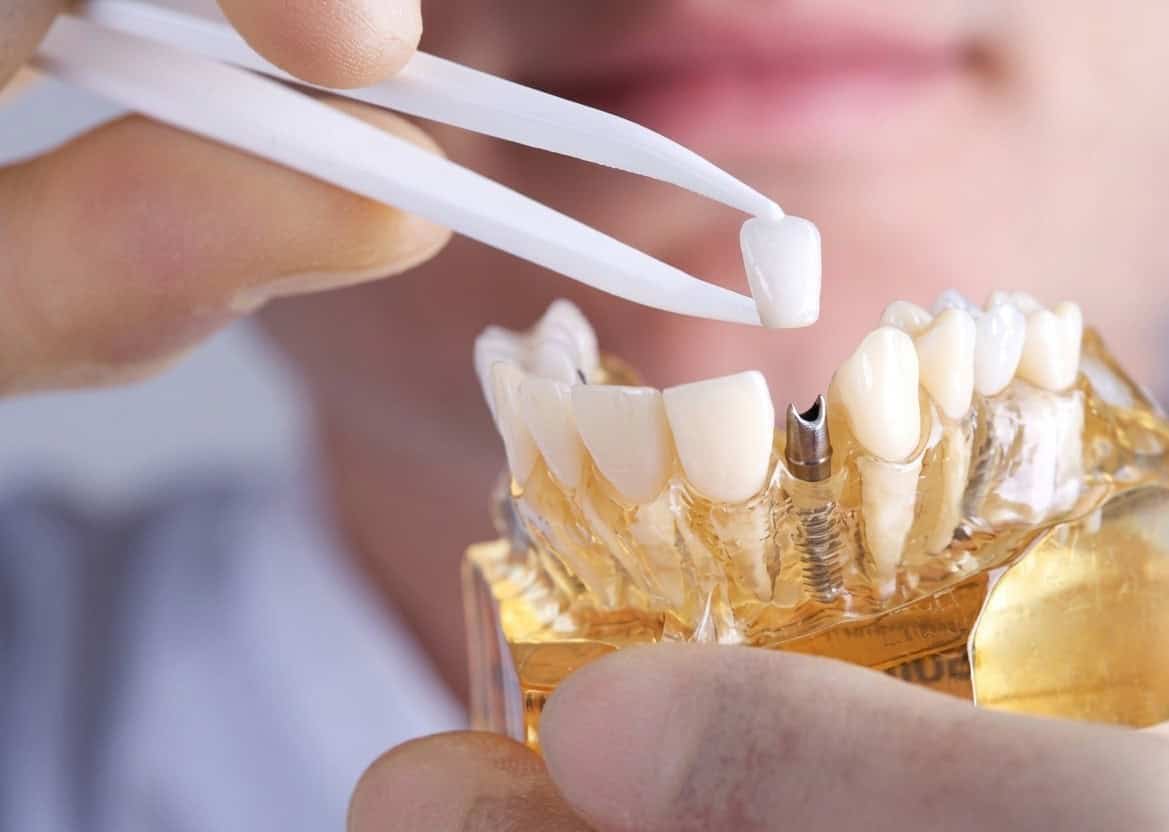
The smile is one of the most important aspects of our personal image. When it comes to improving it in a natural and lasting way, more and more people are choosing dental veneers. But which type really pays off? Are porcelain veneers or composite veneers better? In this comprehensive guide, we will look in detail at the features of both options, the advantages, disadvantages and - most importantly - which type best suits different patient profiles.

What Are Dental Veneers and Why Are They So Popular
Dental veneers are thin veneers that are applied to the outer surface of front teeth to correct aesthetic imperfections. The treatment is minimally invasive, painless and offers remarkable aesthetic results in a short time.
They are often used to treat:
- Deep discolouration that does not respond to professional bleaching
- Slightly crooked or irregularly shaped teeth
- Diastemas, or spaces between front teeth
- Chipped or worn teeth
- Asymmetrical or disharmonic smiles
Thanks to advances in dental technology, it is now possible to choose between different types of veneers, in particular porcelain and composite.

Porcelain Veneers: Aesthetic and Functional Features
Porcelain veneers are made of glass ceramic, a highly aesthetic and durable material. They are custom-made in the laboratory after a digital scan or impression of the patient's teeth.
Superior aesthetics
One of the main advantages of porcelain veneers is their natural translucency. Porcelain perfectly simulates the appearance of tooth enamel, reflecting light like a natural tooth. This makes them ideal for those looking for a perfect yet believable and natural looking smile.
Durability and strength
Porcelain is highly resistant to wear and tear and stains. Even after years, the colour remains stable. In optimal conditions and with proper oral hygiene, these veneers can last up to 15-20 years. They are therefore a long-term solution.
When are they recommended?
They are particularly suitable for:
- Patients with high aesthetic demands
- Those with severely damaged or discoloured teeth
- Who wants a long-term aesthetic investment
- Image professionals (models, presenters, managers)

Composite Veneers: A Versatile and Affordable Solution
Composite veneers are made from composite resin layered directly onto the tooth or modelled in the laboratory. The same material is used for aesthetic fillings.
Faster, cheaper
One of the main advantages is the speed of application. In many cases, one or two sessions are enough. Moreover, the costs are significantly lower than with porcelain veneers, making them affordable even for those on a tight budget.
Aesthetics discreet but improvable
While offering a clear improvement, composite veneers do not achieve the same level of brilliance and depth of colour as porcelain. They can appear slightly duller and over time tend to stain more easily with coffee, tea, red wine and smoke.
Limited duration
The average life span is about 5-7 years, with the possibility of local repairs in case of breakage or discolouration. It is a solution that offers flexibility and ease of maintenance.
Direct Comparison: Porcelain vs Composite
Let us now look at a direct comparison, useful for orientation:
| Appearance | Porcelain Veneers | Composite Veneers |
| Aesthetics | Excellent, natural | Good, but less bright |
| Duration | 15-20 years | 5-7 years |
| Resistance to stains | High | Low |
| Cost | Higher | More accessible |
| Required seating | 2-3 | 1-2 |
| Repairability | More complex | Quick and easy |
| Invasiveness | Major | Minor |
| Execution time | Longer | Very fast |
Case by Case: Which Facet to Choose?
1. Young patients with conservative aesthetics
For young patients who want to slightly improve their smile without irreversible surgery, composite veneers are the ideal choice. They do not require aggressive filing and can be modified over time.
2. Those with worn or damaged teeth
In the case of heavily abraded, chipped teeth or teeth with large fillings, porcelain veneers provide greater strength and long-term stability.
3. Patients with a limited budget
Composite veneers make it possible to treat the entire arch at low cost. They are therefore perfect for those who want to improve their entire smile but cannot afford the expense of porcelain veneers.
4. Models, actors, image professionals
Those who live by their image need a flawless smile. In this case, porcelain is the only choice that guarantees superior, stable and long-lasting aesthetic results.
5. Patients with very discoloured teeth
When teeth have deep pigmentations, porcelain veneers are more effective in masking them. Composite, being less opaque, can let discolourations show through.

Aesthetic Treatment at Hygeia Dent in Albania
Hygeia Dent is distinguished by its high medical standard and the modern facility in which it operates. Located within a hospital, the clinic is designed to guarantee safety, comfort and excellent results, even for the most demanding patients.
Why choose Hygeia Dent:
✅ 24/7 medical care, with hospital team always available
✅ Diagnostic examinations on site: X-rays, 3D scanners, fingerprints
✅ CE-certified materials and advanced technology
✅ International team with experience in dental aesthetics
✅ Hygienic, modern and multilingual environment
Italian patients can count on Italian-speaking staff, a dedicated interpreter, a transfer service and accommodation options coordinated directly by the clinic.

Frequently Asked Questions (FAQ)
Do veneers ruin natural teeth?
No, if applied correctly by a professional, veneers do not damage teeth. Composite versions are even reversible.
Can I choose the colour of the veneers?
Yes. The dentist will propose different shades to suit your complexion and the rest of your teeth.
How long does it take to complete the treatment?
On average 1 to 3 days, depending on the material chosen and the number of veneers.
Can I do veneers even if I have sensitive gums?
Yes, but it is important to first treat any gingival problems with specific treatments.
How long does the aesthetic effect last?
With porcelain, up to 20 years. With composite, about 5-7 years.
Is it possible to do veneers on only some teeth?
Of course. It is only possible to treat the visible or most damaged teeth.
Can veneers be broken?
Rarely. With porcelain it is unlikely, but composite is more delicate.
Can I eat normally?
Yes, but it is advisable to avoid foods that are too hard to avoid trauma.
Is bleaching necessary before veneers?
No, but it may be recommended if they are only applied to certain teeth.
Can medical expenses be deducted?
Yes, in many cases tax deductions are also available for treatment abroad.
Conclusion: Which Smile Do You Want to Build?
Both types of dental veneers offer excellent results, but the choice depends on your goal, budget and individual clinical characteristics. For a lasting and natural transformation, porcelain is the ideal option. For those looking for an affordable and flexible aesthetic solution, composite remains a viable alternative.
With Hygeia Dent's experience and the support of an international medical staff in a modern hospital facility, you have access to safe, precise and professional aesthetic treatments.
Request a Free Quote from Hygeia Dent
Thinking of improving your smile? Contact us for a free consultation and find out which treatment plan best suits your needs. Your new smile starts with a conscious choice.