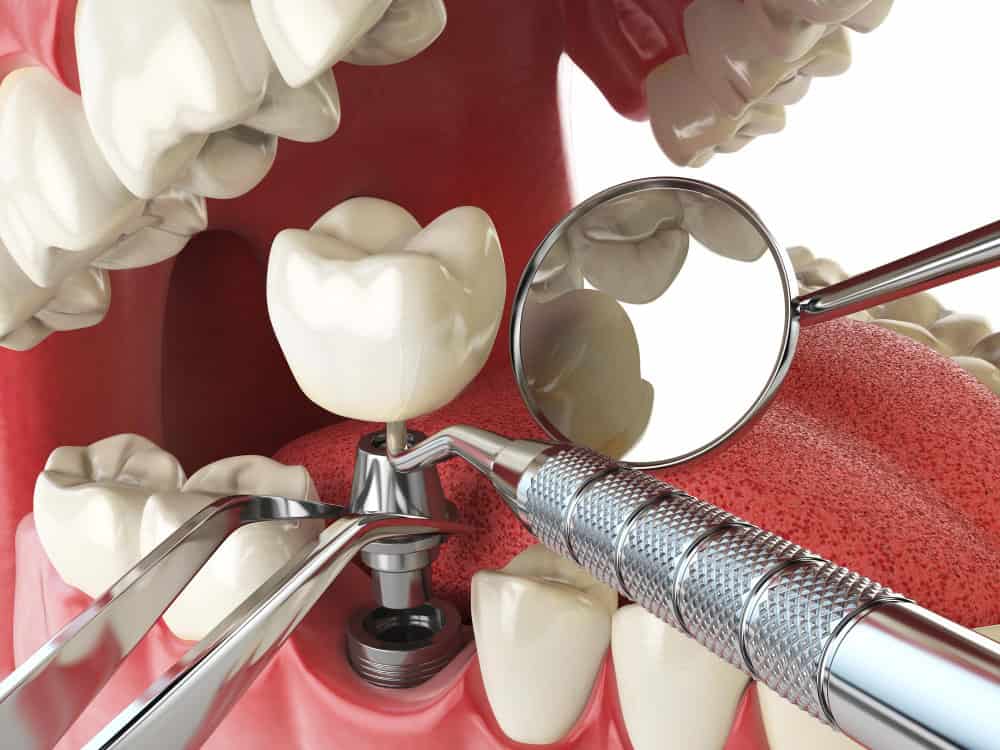
Temporary implant teeth are generally used for anywhere from a few weeks to several months, until the implants and surrounding tissues have healed and are ready for the permanent teeth. During this period, soft foods are recommended, and very hard, crunchy, or sticky foods should be avoided, as they could place excessive pressure on the implants.

What are temporary implant teeth?
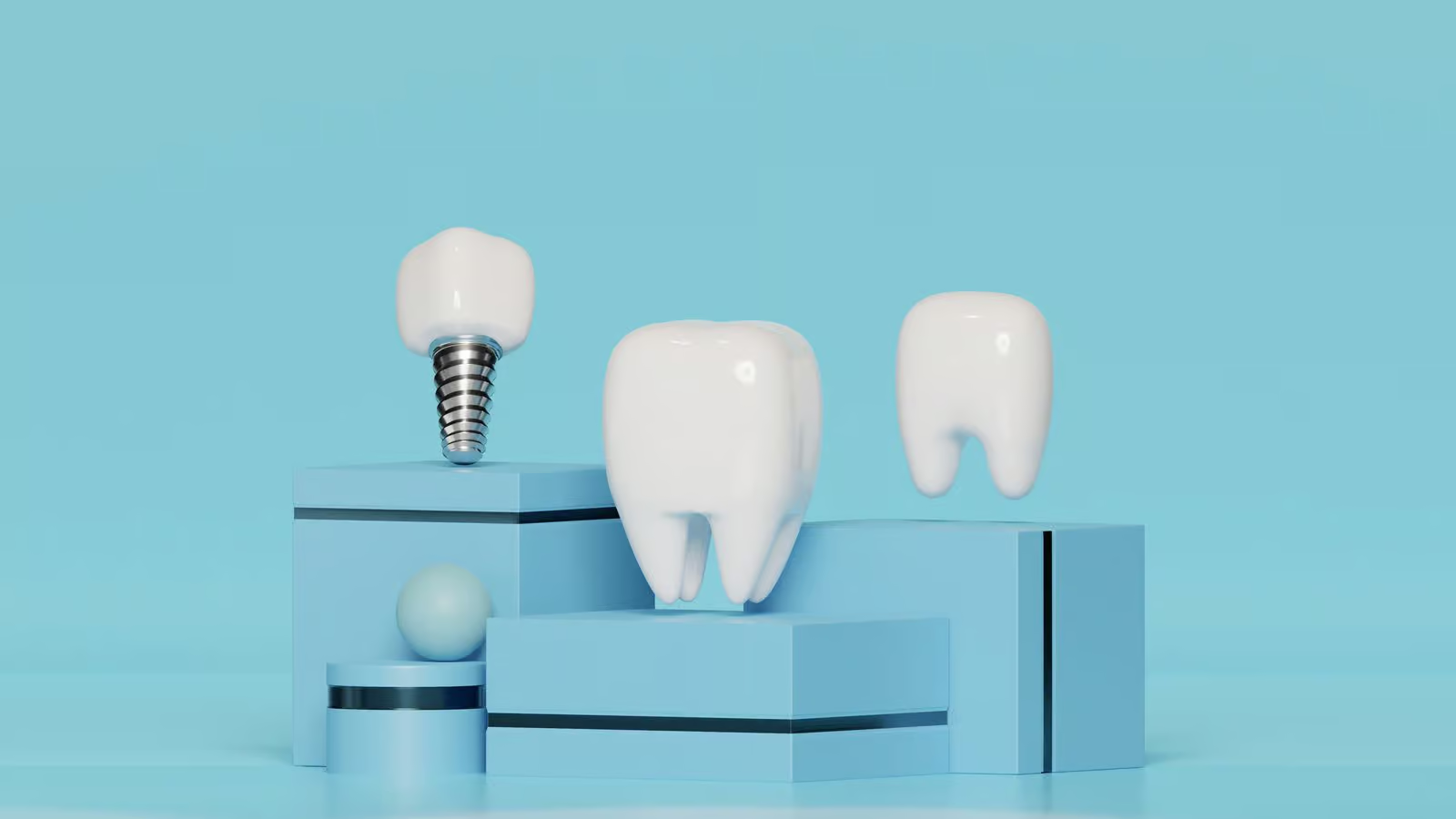
Temporary teeth, often also called temporary implant restorations, are prostheses used during the period between implant placement and completion of the final prosthesis or crowns.
They can replace a single tooth, multiple teeth, or an entire arch. Depending on the treatment plan, the temporary restoration may be fixed on the implants or removable.
Their function is not only aesthetic. Temporary teeth help the patient speak, smile, and eat during healing, while the dentist evaluates the shape of the teeth, the bite, and the adaptation to the gums.
Are temporary teeth placed immediately after the implants?
In selected cases, temporary teeth can be placed on the day of surgery or within the first week. This protocol is known as immediate loading or immediate restoration.
According to the International Team for Implantology, immediate loading means that the implant is connected to a functional prosthesis within one week of placement. However, this protocol requires good primary implant stability and adequate bone conditions.
Not all patients can receive fixed teeth immediately. If the implant does not have sufficient stability, a bone graft has been performed, or other risk factors are present, the dentist may recommend a removable prosthesis or a healing period without direct loading.
The decision is made during the planning phase, but it can only be definitively confirmed after the implants have been placed and their stability has been verified.
How long do temporary implant teeth last?
Temporary teeth are generally kept in place until the implants integrate with the bone and the gums have stabilized. In many cases, this period lasts about two to six months, but it may be shorter or longer depending on the treatment.
The gums may heal within one or two weeks, whereas the bone needs more time. Leeds Teaching Hospitals explains that implants are normally left to integrate with the bone for two to six months before being used for the final restoration.
When a bone graft has been performed, when an entire arch is being treated, or when healing progresses more slowly, temporary teeth may be used for a longer period.
The duration should not be determined solely by the calendar. Before moving on to the final teeth, the dentist checks the stability of the implants, the condition of the gums, oral hygiene, and how pressure is distributed during occlusion.
Why aren’t the final teeth placed right away?
After surgery, the gums and bone undergo changes as they heal. If the final teeth are made too early, their shape may not fit the now-stabilized tissues optimally.
The temporary restoration serves as a trial phase. It allows the dentist to assess tooth length, lip support, pronunciation, and contact during chewing.
If the patient feels that the teeth are too long, that the bite is uncomfortable, or that pronunciation has changed, these aspects can be corrected before the final restoration is made.
Temporary teeth can be made from materials suitable for the healing phase, but they generally do not have the same strength and durability as final crowns or bridges.
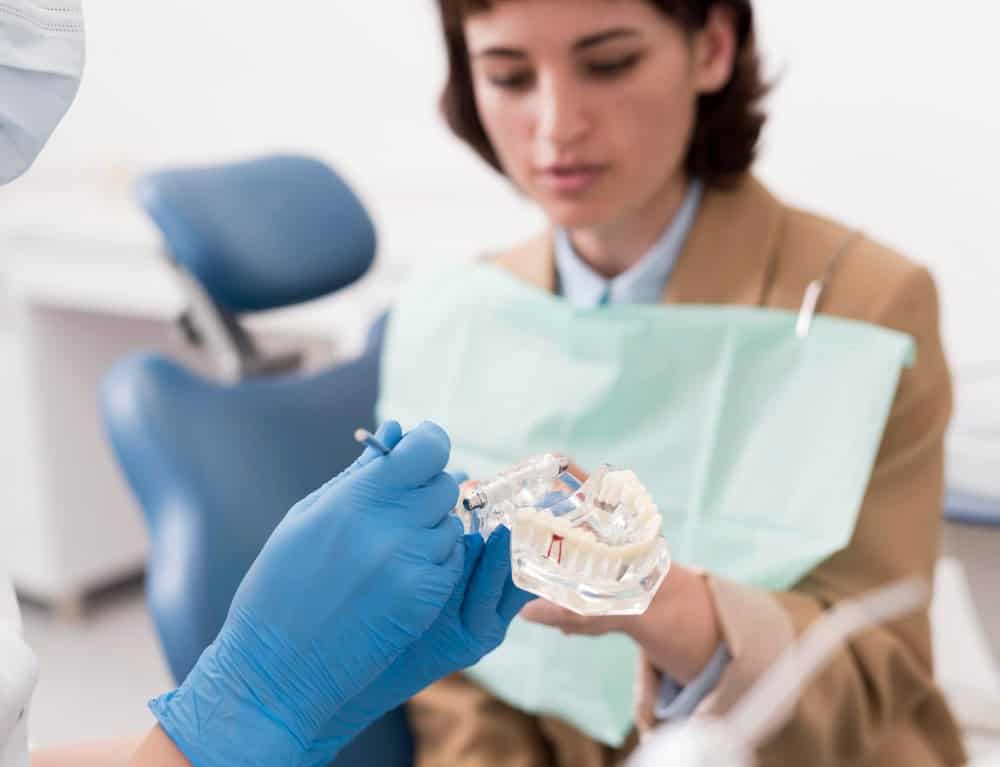
What can you eat after temporary teeth are placed?
In the first few days, soft foods that require little chewing force are recommended. You can eat lukewarm soups, mashed potatoes, yogurt, eggs, soft pasta, well-cooked rice, tender fish, cooked vegetables, and soft fruit.
Food should be lukewarm and not too hot, especially while the mouth is still numb. Eating before the anesthetic has completely worn off can cause accidental bites to the lip, cheek, or tongue.
Food should be cut into small pieces and chewed slowly. Whenever possible, pressure should be distributed on both sides rather than concentrated on a single area of the restoration.
Even when temporary teeth seem stable, it is necessary to follow the clinic’s instructions. The outward appearance of the restoration does not indicate the extent to which the implant has integrated with the bone.
Which foods should you avoid?
Very hard foods can place unnecessary stress on the restoration and the implants during healing. Hard nuts, ice, hard candies, very hard bread crusts, and foods that require forceful biting should be avoided.
Crunchy foods with sharp edges can also irritate the surgical area. Post-oral surgery guidelines recommend avoiding hard or crunchy foods in the first few days, as they can interfere with healing and cause bleeding.
Very sticky foods, such as chewy candies and chewing gum, can stick to the temporary restoration or dislodge it.
You should not bite directly into hard foods with temporary front teeth. Apples, carrots, and similar foods should only be eaten after they have been cut into pieces and softened, if the dentist allows it.
How long should you follow a soft diet?
The length of time you need to follow a soft diet depends on the type of procedure, the number of implants, and the stability of the restoration. After a simple procedure, extra care may only be needed during the first few days.
When the patient has a temporary bridge on a full arch, a soft diet may be recommended for a longer period. This helps limit the forces transmitted to the implants during osseointegration.
Guy’s and St Thomas’ NHS Foundation Trust explains that after implant placement, the patient may need soft foods, according to the dentist’s personalized instructions.
The transition to firmer foods should be gradual and only after the dentist has confirmed that healing is progressing properly.
How do you clean temporary implant teeth?
Oral hygiene is essential during the healing phase. The buildup of bacterial plaque around the restoration can irritate the gums and make the healing process more difficult.
The surgical area must be cleaned according to the clinic’s instructions. Immediately after the procedure, it may be necessary to avoid brushing directly over the operated area, while the rest of the mouth should be kept clean.
Guy’s and St Thomas’ recommends regular check-ups and personalized care for implants and dental restorations.
Once the gums have healed sufficiently, the dentist may recommend the use of interdental brushes, specialized floss, or tools for cleaning under the bridge. The technique depends on the shape of the restoration and the space between the teeth and the gums.
What happens if the temporary tooth becomes loose?
A temporary restoration can wear down, crack, or loosen during the period of use. This does not necessarily mean that the implant has failed, but it should be checked as soon as possible.
The patient should not continue chewing on a bridge or crown that is loose. Uncontrolled pressure can damage the restoration and alter the distribution of forces on the implants.
Do not use household glues or attempt to fix the tooth without the dentist’s intervention. The clinic can repair, adjust, or replace the restoration as needed.
Increasing pain, new swelling, persistent bleeding, or the feeling that the implant itself is moving require immediate contact with the dental team.
When are the permanent teeth fitted?
The final teeth are placed after confirming implant integration and tissue stabilization. Preparation may require several visits for taking impressions, trying the bite, and checking the shape.
In fixed rehabilitations, an intermediate restoration may initially be made to shape the gums and verify function. Once the tissues are stable, the final impression is taken and the final bridge or crown is made.
The transition to the final teeth should not be rushed just because the patient no longer feels pain. The absence of discomfort does not mean that bone healing is complete.
Temporary implant teeth at Hygeia Dent
At Hygeia Dent, the type of temporary teeth is determined based on the number of implants, their stability, the condition of the bone, and the type of rehabilitation planned.
The patient is given instructions on diet, cleaning, and follow-up visits after the procedure. During the temporary phase, adjustments can be made to the bite and shape in order to prepare a final result that is as functional and natural as possible.
The goal is to ensure that the temporary teeth protect the healing phase and that the final restoration is placed only when the implants and tissues are ready.
Domande frequenti
Can I sleep with temporary teeth?
Fixed restorations remain in the mouth overnight as well. If a removable denture is used, the dentist will determine whether it should be removed during sleep, especially in the first few days after the procedure.
Can I drink coffee after implant placement?
Coffee should be avoided when it is very hot and while the mouth is still numb. After that, it can be consumed according to the dentist’s instructions, taking care that the temperature does not irritate the surgical site.
Can I speak normally with temporary teeth?
Yes, but in the first few days pronunciation may feel slightly different, especially after a full-arch rehabilitation. The tongue and muscles generally adapt gradually to the new shape of the teeth.
Can I use a night guard with temporary teeth?
Patients who grind or clench their teeth should discuss this with their dentist. In some cases, a night guard may be recommended, but it must be specially made or adjusted for the temporary restoration.