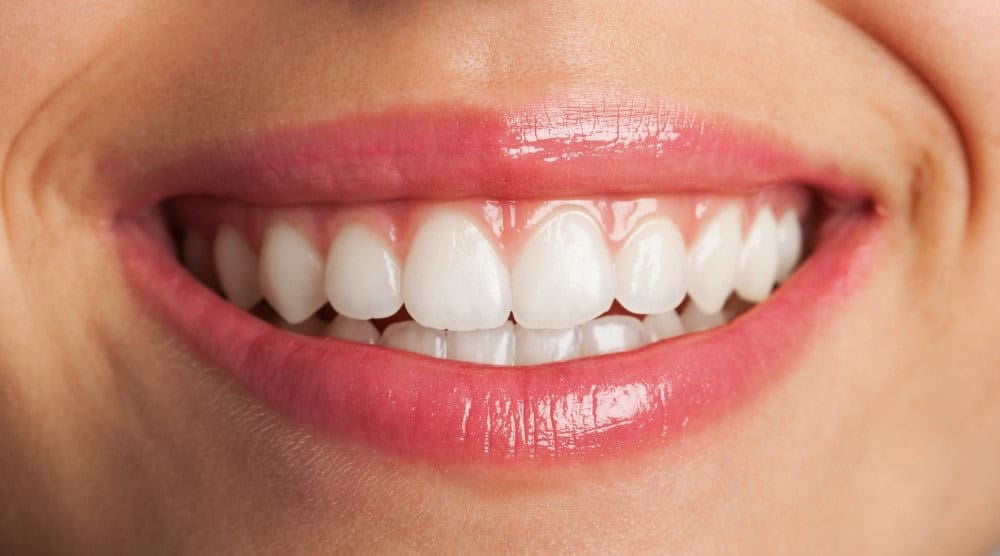
Dental implants have very high success rates, but like natural teeth they require care and regular check-ups. Peri-implantitis is the inflammation of the tissues surrounding an implant and, if neglected, can compromise the stability of thedental implant.
One of the most common misconceptions is believing that an implant, being artificial, cannot become “diseased”. In reality, although it is not susceptible to decay, the implant is surrounded by living gum tissue and bone, which can become inflamed just as they do around a natural tooth. The difference is that, in the absence of the periodontal ligament found in natural teeth, inflammation around implants can progress more rapidly. That is why recognizing the signs makes it possible to intervene in time and protect the investment made inimplantology.

Peri-implant mucositis and peri-implantitis: the difference
Two distinct conditions are identified, representing two stages of the same problem:
- Peri-implant mucositis: inflammation limited to the soft tissues around the implant, reversible if treated early. At this stage, the supporting bone is not yet involved.
- Peri-implantitis: the inflammation also affects the supporting bone, which may begin to gradually deteriorate. If bone loss progresses, the stability of the implant is put at risk.
Mucositis is the initial stage, and recognizing it is the best way to prevent it from progressing to peri-implantitis. For implants, it is the equivalent of the gingivitis that precedes periodontitis in natural teeth: early intervention makes an enormous difference to the final outcome.
Symptoms Not to Ignore
- Red or swollen gums around the implant
- Bleeding during brushing or with the slightest contact
- Persistent bad breath or a bad taste in the mouth
- A feeling that the implant or crown is loose
- Gum recession with exposure of the metal part
- Presence of discharge or pus around the implant
- Discomfort or localized pain in the area
In the early stages, peri-implantitis is often only mildly painful or completely asymptomatic: this is one of the reasons why regular check-ups are so important. If one or more of these signs are present, it is advisable to schedule a check-up as soon as possible.
The main causes
The most common cause is the buildup of bacterial plaque around the implant due to inadequate oral hygiene. The bacteria present in plaque trigger the inflammatory response of the tissues; if plaque is not removed regularly, the inflammation tends to become chronic.
Other factors that increase the risk include:
- Smoke, which reduces blood supply to the tissues and their ability to defend themselves
- Uncontrolled diabetes, which affects healing and the immune response
- A history of periodontitis, which indicates a predisposition to diseases of the supporting tissues
- Irregular maintenance check-ups, which prevent the early identification of the first signs
- Inadequate home oral hygiene or not specifically focused on the spaces around the implants
- Residual prosthetic cement or prostheses that are difficult to clean, which promote bacterial buildup

How to prevent peri-implantitis
Prevention is by far the most effective strategy and is based on a few consistent habits.
1. Targeted daily oral hygiene. A toothbrush, dental floss, or interdental brush specifically designed for the spaces around implants. There are tools specially designed for cleaning implant surfaces, which the clinical team can recommend based on the type of restoration.
2. Regular professional hygiene. Regular cleaning sessions using instruments suitable for implants that do not damage the titanium surface. Professional plaque and tartar removal reaches areas that are difficult to clean at home.
3. Scheduled check-ups. Maintenance visits to monitor the tissues and bone levels, particularly important in multiple-implant restorations such as All-on-4, All-on-6 and All-on-8, where the prosthesis is supported by multiple implants and hygiene requires special attention.
4. Lifestyle. Reduce or eliminate smoking and keep systemic conditions such as diabetes under control.
5. Well-designed prostheses. Restorations that are easy to clean and properly finished reduce the areas where plaque can accumulate. The design of the prosthesis therefore also plays a role in prevention.
How peri-implantitis is treated
Treatment depends on the stage at which it is identified.
In early stages (mucositis), professional cleaning, the removal of contributing factors, and improved at-home oral hygiene are generally sufficient. At this stage, the tissues can return to health.
In intermediate stages, treatment may involve decontamination of the implant surface and targeted therapies to control the inflammation.
In more advanced cases, with significant bone loss, deep surgical cleaning procedures and, at times, regenerative procedures such asbone graft to try to restore part of the lost support. In cases where the implant can no longer be saved, its removal is considered and, after healing, possible replacement.
In every scenario, early diagnosis remains the factor that has the greatest impact on the outcome: the sooner action is taken, the greater the chances of preserving the implant.
At-Risk Implants: Who Needs to Be More Careful
Some people are at higher risk and should pay particular attention to maintenance: smokers, patients with diabetes, those who have already had periodontitis, and those who tend to skip check-ups. In these cases, the maintenance program is often personalized with more frequent follow-up visits.
Maintaining Implants Over Time with Hygeia Dent
A well-maintained implant can last for many years. At Hygeia Dent, the maintenance plan is defined based on the type of rehabilitation and the patient’s condition, with practical guidance for at-home oral hygiene and a check-up schedule tailored to each individual case.
Anyone who has received implants or is considering treatment can request a consultation to set up a proper maintenance program. For those coming from abroad, check-ups can be coordinated as part of Dental tourism in Albania, with timing and arrangements agreed in advance.
Frequently asked questions
Is peri-implantitis reversible?
Early peri-implant mucositis is generally reversible with prompt treatment. Established peri-implantitis, which also involves the bone, requires specific care, and it is not always possible to fully recover the lost bone: this is why early diagnosis is essential.
How often should I have check-ups after getting implants?
The frequency is determined by the doctor based on the individual case, but regular check-ups and professional hygiene are an essential part of maintenance. For higher-risk patients, check-ups may be more frequent.
Does smoking increase the risk of peri-implantitis?
Yes. Smoking is one of the main risk factors for inflammation of the peri-implant tissues because it reduces blood supply and the tissues’ ability to defend themselves.
Does an implant with peri-implantitis always have to be removed?
No. If treated in time, the inflammation can often be controlled and the implant preserved. Removal is considered only in advanced cases with significant bone loss.
How do I properly clean implants at home?
Use a toothbrush and tools specifically designed for the interdental spaces around implants (special floss, interdental brushes). The clinical team can show you the technique best suited to your type of prosthesis.
Is peri-implantitis painful?
In the early stages, it often does not cause pain, which makes it particularly insidious. Bleeding and swelling are more reliable early signs than pain.