Nowadays dental crowns made from zirconia are valued for their strength and aesthetics. With the right indication, certified materials, balanced occlusion, careful hygiene, and regular check-ups, they can last many years (often more than 10). In this article, we’ll see what determines their real lifespan, how to prolong it, and when to consider a replacement.

What Is a Zirconia Crown and When Is It Used?
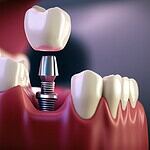
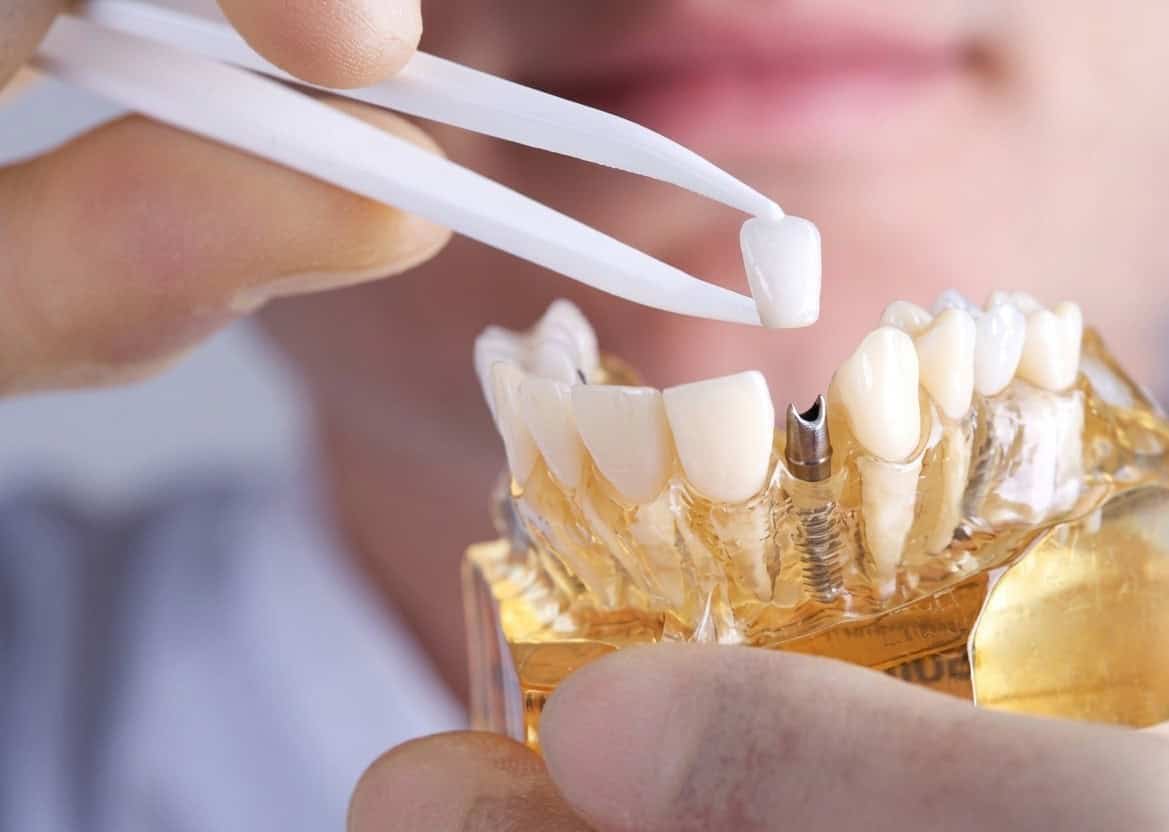
A dental crown is a fixed prosthesis that covers and protects a weakened tooth (due to extensive decay, fractures, or root canal treatment) or replaces the visible part of a tooth on an implant.
Zirconia (zirconium dioxide) is a high-performance ceramic offering:
- High mechanical resistance (especially in monolithic form).
- Natural aesthetics, particularly when layered with veneering ceramics.
- Biocompatibility and low plaque adhesion (if properly polished and maintained).
Monolithic (Full-Contour) vs. Layered Zirconia
- Monolithic zirconia: the crown is entirely zirconia — maximum durability, minimal risk of chipping the aesthetic layer; very good aesthetics in multilayer versions.
- Layered zirconia: zirconia substructure and feldspar/hybrid ceramic veneer - top aesthetics, especially in the anterior region, but susceptible to porcelain chipping.
On a Natural Tooth vs. On an Implant
- On a natural tooth: longevity also depends on the health of the tooth structure (ferrule effect, shoulder, dentin integrity).
- On an implant: factors include prosthesis passivity, type of connection, screw-retained vs. cemented choice, and peri-implant hygiene.
Average Lifespan: What to Expect in Practice
There isn’t a single “absolute” number for everyone. Under favorable conditions and with proper maintenance, many zirconia crowns remain functional for over 10 years. Variability depends on:
- Occlusion and bite forces (parafunctions, bruxism).
- Crown design and thickness.
- Laboratory quality (CAD/CAM, sintering, finishing).
- Marginal precision and cementation/adhesion technique.
- Oral hygiene and professional check-ups.
Key message: longevity = correct indication + precise execution + consistent maintenance.

The 7 Factors That Affect Durability
Tooth preparation and ferrule
Proper preparation (shoulder, taper, adequate ferrule) improves retention and reduces risk of fractures or microleakage.
Marginal precision and cementation/adhesion
Accurate margins and proper adhesive/cementing techniques reduce micro-gaps and risk of secondary decay or sensitivity. Cement choice (resin, modified glass ionomer, etc.) depends on the indication and available retention.
Occlusion and load distribution
Even contacts, proper canine/incisal guidance, and absence of pre-contacts minimize stress peaks that shorten crown life.
Bruxism and parafunctions
Nighttime clenching or grinding reduces prosthesis longevity. A night guard is often recommended if bruxism is present.
Thickness and design
Respecting minimum thicknesses (depending on location and material), adequate connectors in bridges, and well-managed gingival emergence improve strength and hygiene.
Materials and lab quality
Certified zirconia, correct sintering, precise milling, polishing/glazing, and passivity checks are crucial for stability and comfort.
Home hygiene and check-ups
Plaque near margins increases risk of gingivitis, recession, and leakage. Proper tools (interdental brushes, floss, irrigator) plus professional cleanings are essential.
How to Make a Zirconia Crown Last Longer
Step-by-step daily hygiene
- Brush twice a day with a gentle technique at the gumline.
- Use interdental brushes/superfloss in contact areas and under bridges.
- Oral irrigator (if recommended) to reduce debris in hard-to-reach areas.
- Mouth rinses as advised (chlorhexidine only short-term).
Night guard for bruxism
Reduces nighttime microtrauma on the crown and opposing teeth, prolonging service life.
Habits to avoid
Don’t use teeth to open objects, bite ice/pens, or repeatedly chew very hard foods. Gum chewing is acceptable only if well tolerated and not straining muscles.
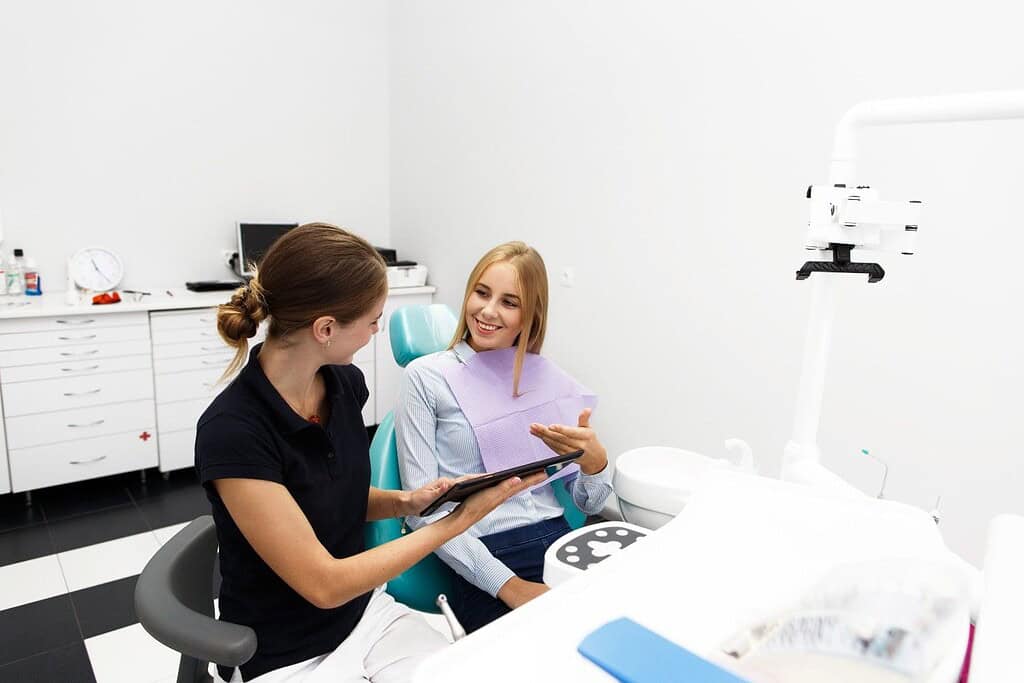
Check-up program
Every 6–12 months (depending on risk):
- Clinical exam and bite-wing X-rays when indicated.
- Occlusion/contact verification and adjustments.
- Polishing to maintain smooth surfaces (less plaque, less wear on opposing teeth).
Warning Signs for Review or Replacement
- Persistent pain/sensitivity to cold, heat, or pressure.
- Visible margins or gum recession creating a “step.”
- Chipping of veneered porcelain (fixable with composite or crown replacement).
- Decementation on natural tooth or loosening on implant.
- Food frequently getting stuck between crown and adjacent tooth (contact issue).
If symptoms occur, schedule a check-up early to prevent more complex problems.
Comparison: Zirconia vs. Metal-Ceramic vs. Lithium Disilicate
| Parameter | Zirconia (mono/strat.) | Metal-Ceramic | Lithium Disilicate |
| Resistance | Very high (mono) | Very high | High |
| Aesthetics | High (strat. best) | Medium-high | Very high |
| Minimum thickness | Reduced (mono) | Medium | Reduced |
| Chipping risk | Low (mono), medium (strat.) | Medium | Low |
| Wear and tear | Low if polished | Low-medium | Low |
| Typical indications | Posteriors, bridges, high-load cases | Mixed cases | Anterior, high-aesthetic single units |
When to Choose What (Practical Guidelines)
- Posteriors/bridges: usually monolithic zirconia for strength and minimal chipping.
- Anteriors with high aesthetic demand: lithium disilicate or layered zirconia.
- Hybrid/limited thickness cases: case-by-case with mock-up and load evaluation.
Crowns on Implants: Screw-Retained or Cemented?
- Screw-retained: best maintainability (removable for checks/repairs), no residual cement risk.
- Cemented: useful in certain insertion angles or aesthetic needs; requires extreme care to avoid cement residue (risk for peri-implantitis).
In both cases, polished finish reduces plaque accumulation and antagonist wear.
Warranty, Maintenance, and Cost Over Time
- Warranty: usually covers prosthetic components; check duration and conditions (hygiene and follow-ups required).
- TCO (Total Cost of Ownership): a crown that lasts longer and requires fewer adjustments is more cost-effective long-term.
- Always have repairs done at clinics with qualified laboratories.
Checklist — How to Prolong Crown Lifespan
- Brush twice a day + interdental cleaning in critical areas.
- Night guard if bruxism or heavy bite forces.
- Scheduled recalls (check-ups + professional hygiene).
- Avoid traumatic habits (ice, opening objects, forceful biting).
- Request polishing if roughness is felt; report discomfort or loosening promptly.
Red Flags
New or increasing sensitivity, dark margins, bad odor/taste, mobility, food impaction, visible microfractures/chipping.
Conclusions and Next Steps
The lifespan of a zirconia crown depends on three factors: correct indication, technical execution (lab and clinic), and long-term maintenance. With careful planning, certified materials, balanced occlusion, and consistent hygiene, zirconia crowns can provide both durability and high-level aesthetics.
Book a personalized evaluation to check the condition of your crowns, optimize occlusion, and design a tailored maintenance plan.

FAQs
How long does a zirconia crown last?
With good conditions and proper maintenance, often more than 10 years; actual lifespan depends on occlusion, hygiene, marginal precision, and check-ups.
Which is better, monolithic or layered zirconia?
Monolithic resists chipping better, ideal for posteriors or bridges; layered zirconia offers superior aesthetics for front teeth.
Does zirconia wear down opposing teeth?
If polished and kept smooth, antagonist wear is minimal; regular check-ups and polishing help.
Can chipping be repaired?
Small chips can be repaired with adhesive protocols; larger fractures often require replacement.
When should a crown be replaced?
If there’s leakage, recurrent decementation, root fracture, major chipping, or unmet functional/aesthetic needs.
Is a night guard necessary?
Yes, if bruxism or heavy loads are present: it protects both prosthesis and opposing teeth, extending longevity.